Canon Mirrorless Camera Series for Beginners: which one’s actually good value (and won’t do your head in)?
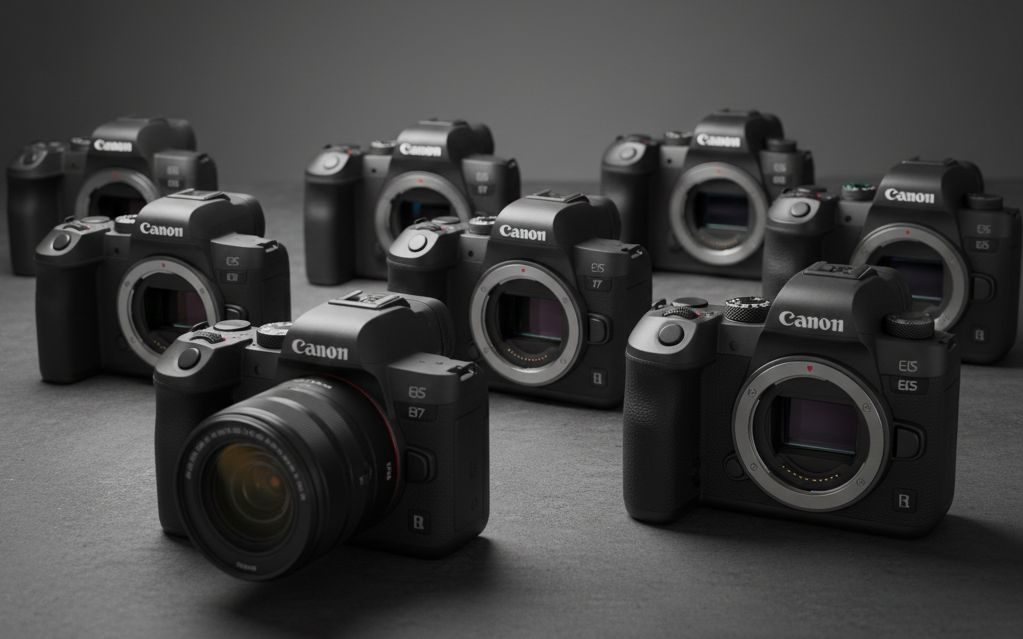
There’s a daft myth in photography that you “need the best body” to get started. You really don’t. Most beginners need three things: a camera that’s easy to use, a system that lets you grow (lenses, flash, tripod stuff), and a price tag that doesn’t make you feel slightly sick every time you pick it up. So let’s talk Canon EOS R series — specifically the models: R100, R50, R10, R7, R8, and the R6 Mark III.
I’m going to treat this like a beginner shopping mission: great value package, futureproof enough to grow into, and as little confusion as possible on day one.
This guide focuses specifically on Canon EOS R-series mirrorless cameras that make sense for beginners in 2025/26. Rather than covering every Canon camera on the market, it concentrates on models that balance ease of use, good value, and a lens system you can grow into for both photography and video. If you’re looking for a Canon mirrorless camera that won’t overwhelm you on day one but won’t hold you back as you learn, this is the right part of the lineup to be looking at.
Quick comparison table
| Camera Model | What it’s best at | Overall score | Ideal for | Not ideal for |
|---|---|---|---|---|
| Canon EOS R6 Mark III | The ‘do-it-all’ Canon full-frame hybrid in this list — speed, stabilisation, and modern AF in one body. | 68 | Committed enthusiasts, demanding hybrid creators, event/action shooters who want full-frame and stabilisation | Price-sensitive beginners, casual learners, anyone who wants the simplest route into photography |
| Canon EOS R7 | The ‘wildlife and action on a sensible budget’ Canon RF body — APS-C reach plus enthusiast features in one package. | 78 | Aspiring wildlife and sports shooters, birders on a budget, ambitious learners who want a long-term APS-C body | Price-sensitive beginners, casual holiday shooters, anyone who wants ultra-simple controls |
| Canon EOS R8 | Most affordable route to modern Canon full-frame look and autofocus in a small body. | 77 | Beginners who specifically want full-frame for portraits/low-light, travellers wanting lightweight full-frame | People who want the cheapest overall system, or who need IBIS for handheld long exposure / steady video |
| Canon EOS R10 | Best all-round ‘value + grow-into-it’ Canon APS-C body — the one people keep recommending because it does so much right for the money. | 86 | Beginners who want to grow, hybrid shooters, travel + family + general photography | People who specifically want IBIS, or who know they’ll chase pro-level action features immediately |
| Canon EOS R100 | Lowest-cost on-ramp into Canon’s RF lens ecosystem (proper interchangeable-lens mirrorless for minimal cash). | 70 | Absolute beginners, families, students, ‘I want a proper camera but I don’t want to spend much’ buyers | Anyone who expects to grow fast, wants great video, or hates fighting menus/buttons |
| Canon EOS R50 | Best ‘no-faff’ beginner experience in the Canon RF lineup — the camera you’ll actually enjoy using on day one. | 82 | Beginners, travellers, family photographers, casual hybrid shooters | Serious sports/wildlife focus, or anyone who knows they’ll want enthusiast ergonomics fast |
Canon Mirrorless Cameras for Beginners: What to Know in 2025/26
Canon’s mirrorless cameras have replaced their older DSLR cameras as the main choice for new photographers – we were never really asked, but they’ve not released any new pro-level DSLR bodies for years.
For beginners, the key mirrorless advantages are faster autofocus, better support for both stills and video, and access to modern RF and RF-S lenses. In 2025, Canon’s beginner mirrorless cameras are designed to be more automated and forgiving, while still giving you full manual control when you’re ready to learn proper exposure and technique.
Canon EOS R100
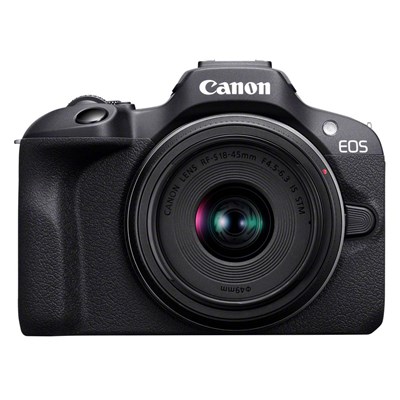
The R100 is Canon’s “cheap and cheerful” entry ticket to the RF lens world. If your budget is genuinely tight, it gets you taking proper photos with interchangeable lenses, without you having to remortgage the dog. The downside is it feels basic — and beginners often notice that sooner than you’d think.
What people like
- Big discounts make it a silly-good starter deal.
- Good still image quality for the money.
- Simple, unintimidating camera for families and total beginners.
What people don’t like
- It can feel “too basic” once you start learning properly.
- Video is a weak spot compared to the rest of the lineup.
- Controls/screen compromises annoy people doing anything beyond snapshots.
Key features
- APS-C interchangeable-lens RF/RF-S mount (upgrade path into better lenses).
- Compact, lightweight body for travel and family days out.
- Canon Dual Pixel AF is praised for straightforward stills shooting.
- Built-in flash for quick-and-dirty indoor shots.
Pros
- Cheapest way into Canon RF without buying used.
- Lightweight and beginner-friendly in intention.
- You can upgrade lenses over time.
Cons
- You can outgrow it quickly if you get keen.
- Video features are behind R50/R10 and up.
- Ergonomics and usability compromises are real.
Unique capability
Lowest-cost on-ramp into Canon’s RF lens ecosystem.
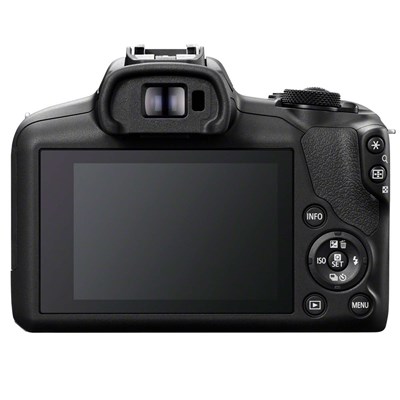
Ease of use
Simple, but not always “pleasant”. It’s easy to start, yet missing modern touches that help beginners learn faster.
Performance
Solid stills. If you stay in the basics (Auto, simple AF, decent light) you’ll be happy. If you push into video, action, or manual control-heavy shooting, you’ll feel the limits.
Who it’s for
- Ideal: absolute beginners, families, students, tight budgets.
- Not ideal: fast learners, video-first buyers, anyone who wants modern handling.
Scores snapshot
| Effectiveness | 68 |
| Fit for purpose | 70 |
| Efficiency / Speed | 55 |
| Reliability / Consistency | 72 |
| Value for money | 86 |
| Ease of use | 60 |
| Learning curve | 72 |
| Creativity / Innovation | 38 |
| Overall | 70 |
APS-C vs Full-Frame Canon Cameras: Which Is Better for Beginners?
One of the first decisions new photographers run into is APS-C versus full-frame. APS-C cameras are usually smaller, cheaper, and lighter, which makes them a popular choice for beginners learning photography without spending a fortune. Full-frame cameras offer better low-light performance and more control over depth of field, but the camera bodies and lenses cost more, so they tend to suit photographers who already know they want to commit to the system.
You’ll often see professional models like the Canon EOS R5, R5 Mark II, or older DSLR cameras such as the 5D Mark IV mentioned in broader Canon buying guides. While they’re excellent tools for professional photography, they’re far more expensive and complex than most beginners need. This guide focuses on Canon EOS R-series mirrorless cameras that offer a better balance of simplicity, value, and long-term usability for people learning photography in 2025.
Canon EOS R50
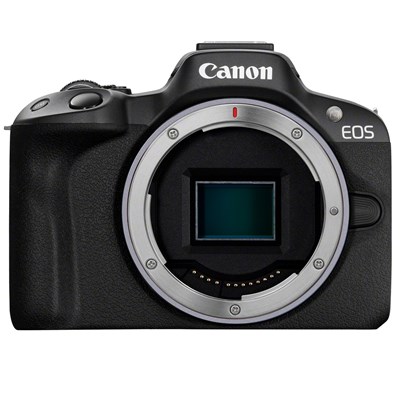
The R50 is the camera I’d hand to most beginners without overthinking it. It’s friendly, modern, and doesn’t punish you for not knowing the difference between shutter speed and a door latch. If ease of use is a priority, this is the cleanest “just get on with it” option.
What people like
- Flip-out touchscreen is brilliant for learning and everyday shooting.
- Autofocus feels modern and confident.
- Great for family, travel, and casual video.
What people don’t like
- Lens choices (especially RF-S) can feel limiting depending on your goals.
- Some people outgrow it and want more direct controls.
- Price varies a lot depending on kit deals.
Key features
- APS-C sensor with Canon Dual Pixel AF II.
- Fully articulating touchscreen.
- Compact body you’ll actually carry.
- Very usable photo + video performance for beginners.
Pros
- Easy learning curve and friendly operation.
- Great autofocus for the money.
- Small, light, and enjoyable.
Cons
- Not as “grow-into-it” as R10/R7 if you get serious quickly.
- Lens ecosystem may nudge you toward an upgrade later.
- Less suited to dedicated action/wildlife than R10/R7.
Unique capability
Best ‘no-faff’ beginner experience in Canon RF.
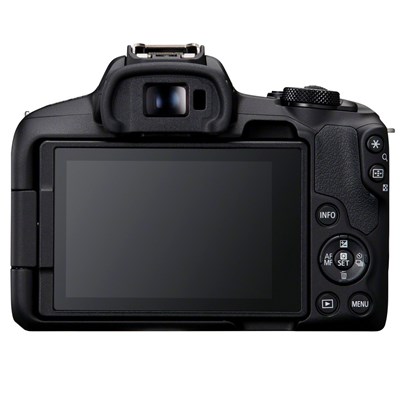
Ease of use
Properly beginner-friendly: touchscreen, simple handling, and Canon menus that don’t feel like tax paperwork.
Performance
Excellent for everyday photography and surprisingly capable video for casual creators. It’s not a specialist action body, but for 90% of beginner life it’s spot on.
Who it’s for
- Ideal: beginners, travel, family, casual hybrid shooting.
- Not ideal: sports/wildlife obsession, or “I want pro controls now”.
Scores snapshot
| Effectiveness | 78 |
| Fit for purpose | 84 |
| Efficiency / Speed | 72 |
| Reliability / Consistency | 78 |
| Value for money | 82 |
| Ease of use | 88 |
| Learning curve | 86 |
| Creativity / Innovation | 55 |
| Overall | 82 |
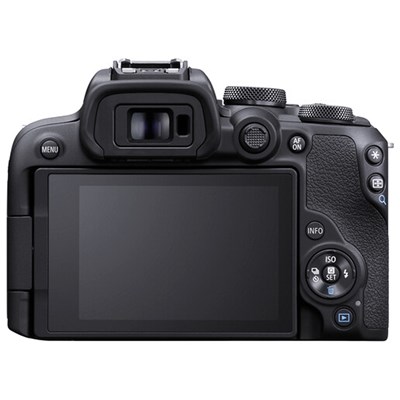
Canon EOS R10
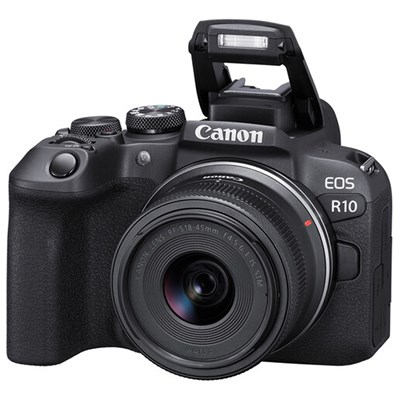
This is the one that keeps cropping up in recommendations, and for good reason. It’s beginner-friendly enough, but it’s also fast and capable enough that you won’t immediately hit a wall. If you want “great value package” plus futureproofing, the R10 is the sensible choice that still feels exciting.
What people like
- Excellent balance of speed, autofocus and price.
- Feels like a “proper camera” without being intimidating.
- Often the top pick in beginner guides and community recommendations.
What people don’t like
- No in-body stabilisation (matters for some shooting styles).
- Not as stacked as the R7 for heavy wildlife/sports.
- Some video modes involve compromises.
Key features
- APS-C RF mount with strong autofocus performance.
- Fast burst shooting for action and candid moments.
- Good 4K options for hybrid shooters.
- Often sold in excellent-value kits.
Pros
- Brilliant performance-per-pound.
- Fast, confident AF and great responsiveness.
- Room to grow for years with better lenses and lighting.
Cons
- No IBIS, so technique/support matters more.
- Not the “ultimate” action APS-C body (that’s R7 territory).
- Video compromises depending on settings.
Unique capability
Best all-round “value + grow-into-it” Canon APS-C body.
Ease of use
Friendly enough for a beginner, but with more headroom and control than the R50. It’s the sweet spot between simple and serious.
Performance
Fast, reliable, and just generally gets out of your way. If you later buy a decent prime lens and a basic flash, this body will happily keep up while your skills level up.
Who it’s for
- Ideal: beginners who want to grow, hybrid shooters, travel/family, light action.
- Not ideal: “I need IBIS” buyers, or specialist action shooters chasing R7 features.
Scores snapshot
| Effectiveness | 84 |
| Fit for purpose | 88 |
| Efficiency / Speed | 86 |
| Reliability / Consistency | 82 |
| Value for money | 88 |
| Ease of use | 80 |
| Learning curve | 78 |
| Creativity / Innovation | 60 |
| Overall | 86 |
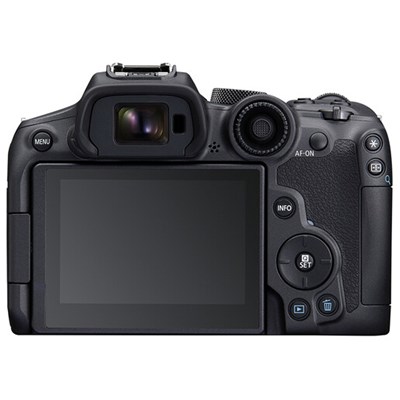
Canon EOS R7

The R7 is the “I’m getting serious and I like fast stuff” APS-C option. It’s brilliant for wildlife and sport because APS-C gives you that extra reach with telephoto lenses. For a general beginner though, it can be overkill — and overkill costs money.
What people like
- Excellent autofocus and speed for action.
- APS-C reach is genuinely useful for wildlife/sports.
- More enthusiast handling than the smaller bodies.
What people don’t like
- Price is too high for many beginners.
- Unnecessary complexity if you mostly shoot casual subjects.
- Some quirks and preference-based grumbles about controls.
Key features
- APS-C RF mount with strong subject-tracking autofocus.
- High-speed shooting.
- More advanced ergonomics.
- Extra telephoto “reach” effect versus full-frame.
Pros
- Superb for wildlife/sport on RF.
- Long-term keeper body if that’s your genre.
- More serious shooting experience than R50/R10.
Cons
- Not the best “starter value” unless you need its strengths.
- More settings and options to learn.
- Often better to spend the difference on lenses if you’re casual.
Unique capability
The wildlife/action-leaning APS-C option with strong long-term potential.
Ease of use
Fine once you’re comfortable, but not the calmest first step if you’re brand new. It invites tinkering.
Performance
Where the R7 shines is when things move and you need speed and reach. If that’s your goal, it’s a monster for the money.
Who it’s for
- Ideal: wildlife/sport beginners, ambitious learners, telephoto lovers.
- Not ideal: budget-first beginners, casual shooters, “keep it simple” buyers.
Scores snapshot
| Effectiveness | 88 |
| Fit for purpose | 78 |
| Efficiency / Speed | 90 |
| Reliability / Consistency | 84 |
| Value for money | 74 |
| Ease of use | 70 |
| Learning curve | 66 |
| Creativity / Innovation | 65 |
| Overall | 78 |
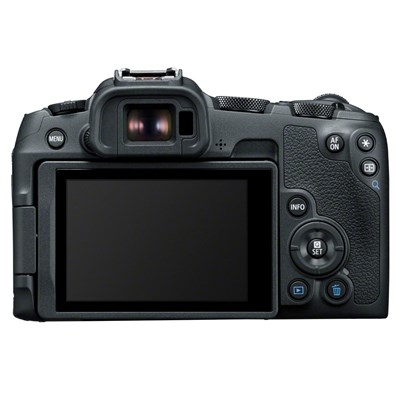
Canon EOS R8
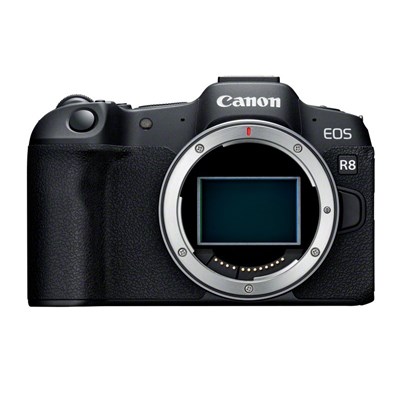
The R8 is the budget-friendly full-frame move. You get the full-frame look (especially in portraits and low light), plus strong autofocus, in a body that doesn’t weigh a ton. The gotcha is that full-frame lenses can get pricey, and the lack of IBIS changes how you shoot handheld.
What people like
- Excellent entry-level full-frame value.
- Great autofocus and low-light performance.
- Lightweight for full-frame.
What people don’t like
- No IBIS (handheld low-light and video stability take more effort).
- “Value body” compromises compared to higher-end models.
- Full-frame system cost can rise with lenses.
Key features
- Full-frame sensor for better low-light and depth-of-field control.
- Strong autofocus subject detection.
- Compact and travel-friendly.
- Solid hybrid potential with realistic limitations.
Pros
- Full-frame image quality at an accessible price.
- Great AF, strong for portraits and events.
- Small and easy to travel with.
Cons
- No IBIS.
- Lens costs can make the total kit expensive.
- Not the most rugged/feature-rich body.
Unique capability
Affordable, modern Canon full-frame in a compact body.
Ease of use
The camera is friendly; the system cost is the tricky bit. If you stay sensible with lenses, it’s a joy.
Performance
Great image quality, great AF, and lovely for portraits and low light. Just be prepared to use stabilised lenses, good technique, or a tripod if you’re doing handheld slow shutter stuff.
Who it’s for
- Ideal: portrait/low-light beginners who want full-frame, travellers, hybrid shooters.
- Not ideal: cheapest possible setup, IBIS-dependent handheld shooters.
Scores snapshot
| Effectiveness | 86 |
| Fit for purpose | 72 |
| Efficiency / Speed | 80 |
| Reliability / Consistency | 80 |
| Value for money | 76 |
| Ease of use | 76 |
| Learning curve | 74 |
| Creativity / Innovation | 62 |
| Overall | 77 |
Canon EOS R6 Mark III
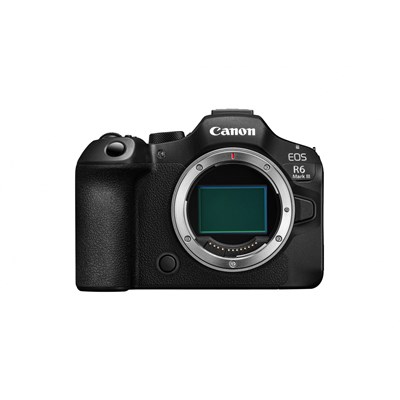
This is the “I’m already invested” camera in your list. It’s fast, powerful, stabilised, and designed to make demanding shooting feel easy. But for a beginner who cares about value, it’s a lot of money to spend before you even know what you like photographing.
What people like
- High-end hybrid photo/video performance.
- Fast shooting and strong stabilisation for handheld work.
- Autofocus performance is widely praised.
What people don’t like
- Price — it’s not remotely “budget beginner”.
- Feature overload for learners.
- System costs add up fast once you match it with lenses/accessories.
Key features
- Full-frame sensor with high-speed shooting.
- Advanced autofocus subject tracking.
- In-body stabilisation for handheld shooting.
- Premium hybrid design.
Pros
- Exceptional all-round performance with years of headroom
- Outstanding autofocus confidence and shooting speed
- Great handheld performance compared to non-IBIS bodies.
Cons
- Bad value as a beginner purchase (for most people).
- Complexity you don’t need early on.
- Expensive ecosystem if you go full-frame enthusiast.
Unique capability
The premium hybrid workhorse in this comparison.
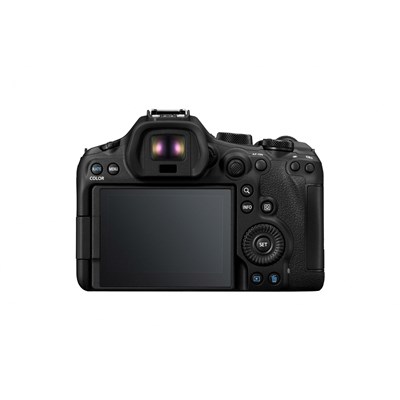
Ease of use
Canon makes it usable, but it’s feature-heavy. It’s easy to get “lost in the settings” if you’re brand new.
Performance
Excellent at basically everything — action, low light, hybrid work — which is exactly why it’s overkill for most beginners. It’s like buying a massive van when you only need to carry one bag of shopping.
Who it’s for
- Ideal: committed enthusiasts and demanding shooters.
- Not ideal: budget-focused beginners and casual learners.
Scores snapshot
| Effectiveness | 95 |
| Fit for purpose | 55 |
| Efficiency / Speed | 92 |
| Reliability / Consistency | 88 |
| Value for money | 52 |
| Ease of use | 68 |
| Learning curve | 58 |
| Creativity / Innovation | 78 |
| Overall | 68 |
Head-to-head: what wins on the stuff beginners actually care about?
Most creative results
If we’re talking “I want that lovely blurry background and low-light magic”, the R8 wins because full-frame makes that easier with the right lens. The R6 Mark III can obviously do it too, but it’s the expensive way to get there. For most beginners, the real creativity unlock isn’t the body — it’s buying one good lens and learning light.
Most natural-looking results
The R50 and R10 are the quiet heroes here: great autofocus and pleasing output without you wrestling the camera. The R100 can look great too, but it’s easier to bump into its limits and feel like you’re “fighting” it. Natural-looking photos come from consistency, and the R50/R10 make consistency easier.
Fastest workflow
The R10 feels the quickest in real-world beginner terms because it’s responsive, fast, and doesn’t feel bogged down. The R7 is even more action-leaning, but you’re paying for speed you might not use. For most people: R10 is fast enough to never miss the moment, without feeling like a specialist tool.
Best for high volume
If you’re shooting loads — kids’ football every weekend, birds, dogs sprinting — the R7 is the workhorse APS-C option. It’s designed for that “lots of frames, lots of tracking” life. The R10 is still great, but the R7 is the one you buy when you know action is your main thing.
Best value for money
The R10 is the best value *overall* because it’s good enough that you can keep it for years and just upgrade lenses. The R100 is the cheapest entry, but it can become false economy if you upgrade the body quickly. The R50 is the best value if your #1 priority is “make it easy and enjoyable”, because that’s what keeps beginners shooting.
Steepest learning curve
The R6 Mark III, purely because it’s so capable that you can get lost in options. It’s not hard to use, it’s just a lot of camera. The R7 can also feel “more than you need” at first, whereas the R50 is basically built to keep beginners calm and confident.
Final verdict
If you want one clean recommendation for a beginner who cares about cost, ease, and futureproofing: buy the Canon EOS R10, stick a sensible kit lens on it to start, then spend your next upgrade money on a better lens and a basic flash. That path gets you better photos faster than chasing a fancy body.
- Best overall: Canon EOS R10 — the best balance of value, performance, and growing room.
- Best value: Canon EOS R10 — because you’re less likely to outgrow it and “upgrade twice”.
- Most creative: Canon EOS R6 Mark III — premium hybrid power, but not beginner value.
- Easiest to use: Canon EOS R50 — the most beginner-friendly shooting experience.
- Steepest learning curve: Canon EOS R6 Mark III — feature-dense, expensive, and overkill for most starters.
For most people starting out, the best Canon camera for beginners is the one that encourages you to keep shooting, learning, and experimenting. A good mirrorless camera for beginners should feel approachable on day one, support both photography and video, and sit within a camera system that offers affordable lenses and accessories as you progress. Canon’s EOS R-series does this well, which is why it remains one of the strongest entry points into mirrorless photography in 2025.
Related Posts

The Controversial Photography Tip That Changed Everything for Me
Exploring Granary Wharf Leeds: Architectural Wonders Captured with Tilt Shift Lenses
Cars in The Park – Newby Hall May 13th
Valentina DIAZ Video
So you want to be a pro photographer… what they don’t tell you
The Sharon Stacy’s 90’s Club Hit Band- Bradford Trident Xmas Dinner – Omar Khan’s
Wonderful Yellow Fields – Tilt Shift Lens