
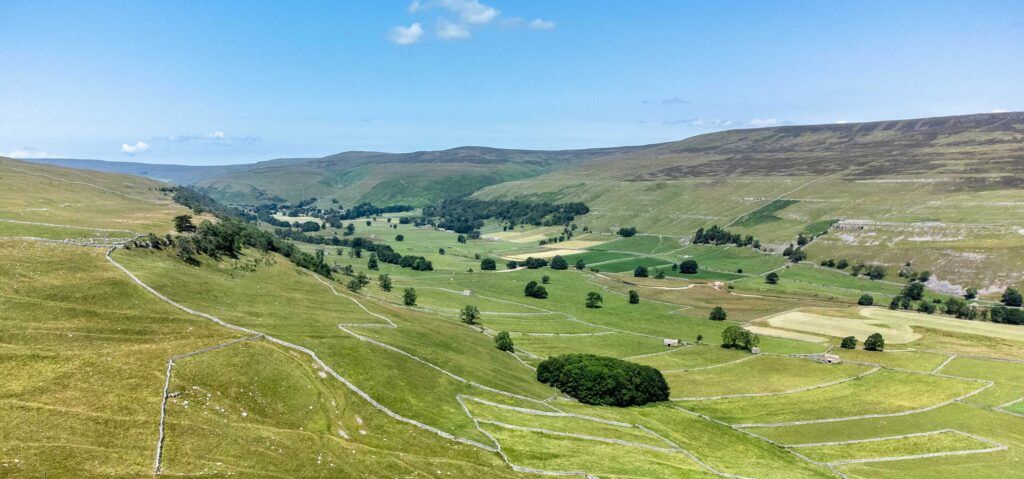
One-to-One Photography Lessons in Yorkshire: What Actually Happens on the Day
One-to-one photography tuition is a private coaching session built entirely around you – your camera, your questions, and the thing you actually want to get better at, rather than a fixed group course everyone follows the same way.
Quick answer: I run four types of one-to-one day: half-day and full-day general sessions for camera basics, a landscape day covering filters and technique in the Yorkshire Dales, and a portrait day with a hired model for learning flash. Sessions make a good gift too. Cost depends on length and type – message me and I’ll give you a straight price.
Why one-to-one instead of forums, YouTube or a camera club?
Most people starting out have plenty of questions and too many places to get answers from – forums, YouTube, mates in camera clubs, an expert on this, an expert on that. It gets confusing fast, and it’s rarely clear which advice actually applies to your camera and your problem.
A one-to-one day skips that. It’s just you, me, and whatever you’re actually stuck on – whether that’s a specific technical problem or wanting a day out learning something new.
A real example: fixing blurry photos in an hour, over coffee in Leeds
One client kept getting blurry photos and couldn’t work out why. We sat in a Starbucks in Leeds, and he showed me photos from trips all around the world where it kept happening. With the shutter speed data in front of me, I could see the pattern straight away.
The fix was the hand-holding rule: keep your shutter speed at least as fast as 1 over your focal length (so a 100mm lens needs 1/100s or quicker), and with modern high-resolution sensors, doubling that is safer still. Stand with knees slightly bent, elbows tucked in, camera held with both hands.
We spent the rest of the session practising it over coffee. He told me he’d learned more in that one hour than he had in the previous five years.
Camera shake was his specific problem, but it’s one of three common causes of blur – the other two being subject movement (needs an even faster shutter speed) and missed focus (the autofocus point wasn’t on the right spot). Worth checking which one you’ve actually got before assuming it’s the same fix.
What are the four one-to-one options?
| Session | Length | Best for |
|---|---|---|
| Half-day (general) | Roughly 3-4 hours | Getting to know your camera, asking whatever’s on your mind – a good springboard if you’re just starting out (see our guide to choosing a beginner-friendly Canon mirrorless camera if you’re still picking a camera) |
| Full-day (general) | Roughly 6-8 hours | Same as the half-day, with more time to go deeper |
| Landscape day | Full day, in the Yorkshire Dales or similar | Focusing technique, ND grad and 10-stop filters, focus stacking, and exposure blending |
| Portrait/flash day | Full day | Flash lighting technique, with a model booked in so you’re shooting a real subject rather than a stand-in |
The two general sessions are more affordable, because they cover the basics that give everyone a real starting point. The landscape and portrait days are more specific technical training, aimed at people who want to push past what they can pick up on their own.
What does a landscape day actually involve?
Before we meet, we exchange a few emails to work out what you actually want to get out of it – so the day is built around you, not a fixed itinerary. If you’re not sure what you want yet, bringing photos on a laptop, tablet or phone gives us something concrete to look at and work from.
Like most landscape photography, getting the best light often means an early start or a late finish – so expect the day to be built around when the conditions are right, not office hours. For a flavour of what a day like this looks like in practice, here’s a write-up from our first Nidderdale photography workshop.
It’s not just landscapes and blurry photos
A friend, Brian, came to me needing inspiration on flash lighting – that’s exactly the kind of thing the portrait day is built for. Another, John, wanted a day out in the Dales but kept getting pulled back by things cropping up at home. If either of those sounds familiar, that’s reason enough to book a day and get your camera buzzing again.
It’s all done at your pace, no ego, no showing off – just working out what you could do differently to enjoy the hobby as much as I do.
FAQ
What’s the hand-holding rule for avoiding blurry photos?
Keep your shutter speed at least as fast as 1 over your focal length – so a 100mm lens needs 1/100s or faster. With modern high-resolution cameras it’s safer to double that. Stand with knees slightly bent, elbows tucked in, and hold the camera with both hands.
What are the three most common causes of blurry photos?
Camera shake, subject movement, and missed focus. Camera shake is the one the hand-holding rule fixes. Subject movement needs a faster shutter speed again. Missed focus just means the autofocus point wasn’t on the right thing.
What are ND grad filters, 10-stop filters, and focus stacking?
An ND grad filter darkens the sky so it doesn’t overexpose while the land stays correctly lit. A 10-stop filter blocks most of the light hitting the sensor, letting you use very slow shutter speeds in daylight for smooth water or moving clouds. Focus stacking means taking several photos at different focus points and blending them so everything from front to back is sharp.
How much does a one-to-one photography day cost?
It depends on the length and type of session – a half-day general session costs less than a full landscape or portrait day. Get in touch with what you’re after and I’ll give you a straight price.
Can I buy a one-to-one session as a gift for someone else?
Yes. These sessions work well as a gift for anyone who’s just got a new camera or wants to get more out of the one they’ve got. Get in touch and I’ll sort the details directly with you.
What’s the difference between the half-day, full-day, landscape and portrait sessions?
Half-day and full-day sessions are general and unstructured – good for getting to know your camera and asking whatever’s on your mind. The landscape day is more technical, covering filters, focus stacking and exposure blending in the Yorkshire Dales. The portrait day covers flash lighting, with a model booked in so you’re practising on a real subject.