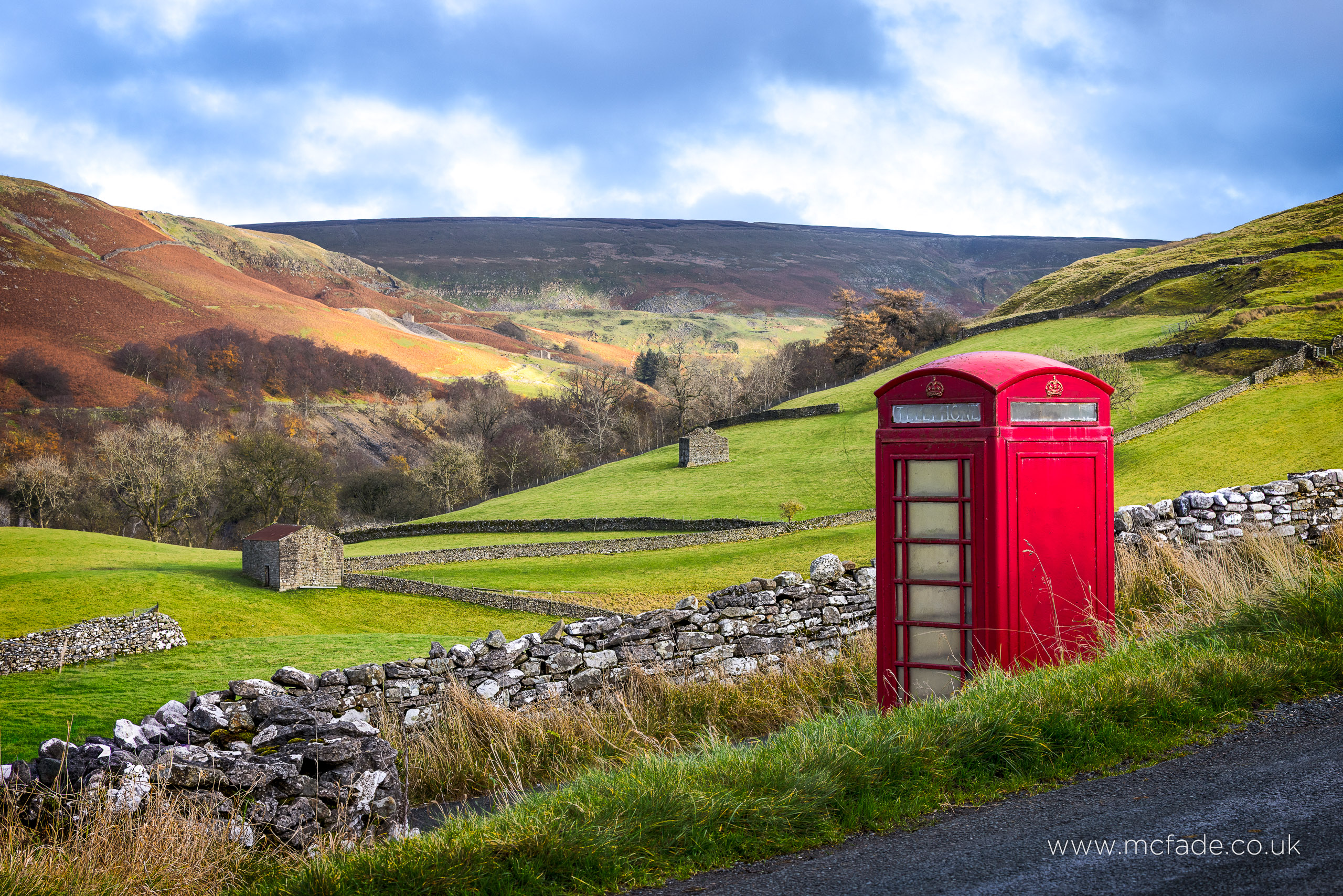
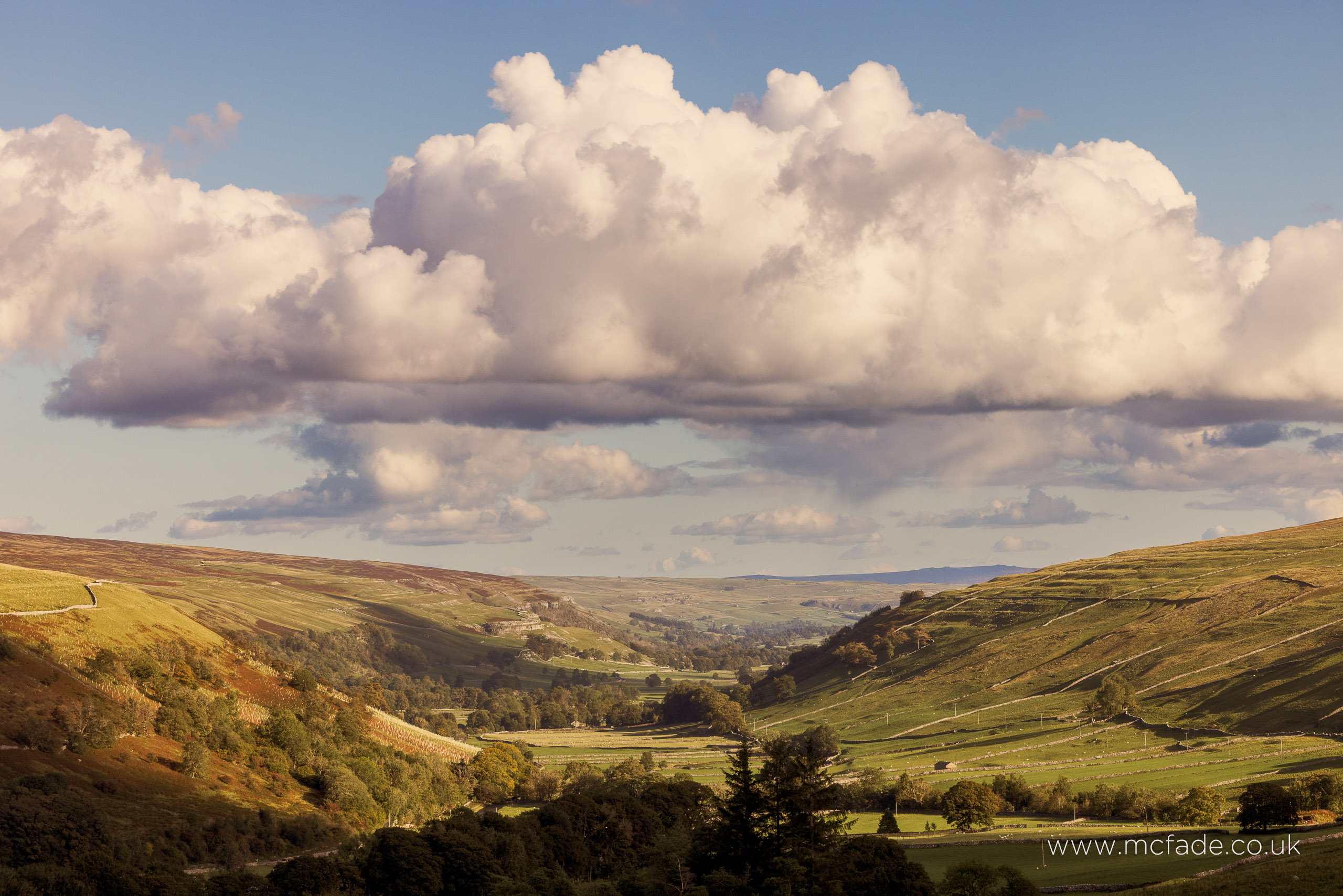
The best photography locations in the Yorkshire Dales are not always the famous ones. They are the places that suit the weather you have, give you something decent in the foreground, and leave enough time to work a photograph rather than tick a pin off a map.
Quick answer: where should you photograph in the Yorkshire Dales?
If you are starting from Leeds, work west and north through the valleys rather than trying to cross the whole Dales in one day. Nidderdale is the easiest way in for a mix of town, river and moorland. Malhamdale gives you the big limestone scenery. Wharfedale has lots of smaller stops. Littondale is brilliant for quieter valley views and foreground limestone. Wensleydale gives you castles, villages and waterfalls.
- For an easy first day: Nidderdale, from Knaresborough to Scar House Reservoir.
- For big limestone and water: Malham, Gordale Scar, Janet’s Foss and Malham Tarn.
- For lots of smaller stops: Wharfedale, especially Linton, Kilnsey, Kettlewell and Buckden.
- For a quieter landscape day: Littondale and the roads above Arncliffe and Halton Gill.
- For falls and a slower drive: Wensleydale between Leyburn and Hawes.
Why is it better to choose a valley than chase every famous location?
Most people start with Malham Cove, Aysgarth Falls and the other headline acts. Fair enough. They are all worth seeing. But if you try to hammer through ten big locations in a day, most of your time disappears in the car, in car parks or waiting for somebody to move out of the frame.
A better plan is to choose a valley, two or three main stops and a few bits in between. That gives you time to look for the things that actually make photographs work: a wall leading into the scene, a bend in the river, a bit of weather on a hill or a foreground rock that stops a wide view becoming just a postcard.
Access, parking, water levels and paths can all change, so check them before setting off. The Dales reward a bit of flexibility. If the light is flat, go looking for water, texture or a village detail. If the sun comes out low, get yourself to rock, walls and hillsides where the side light has something to grab hold of.
Where should you photograph in Nidderdale?
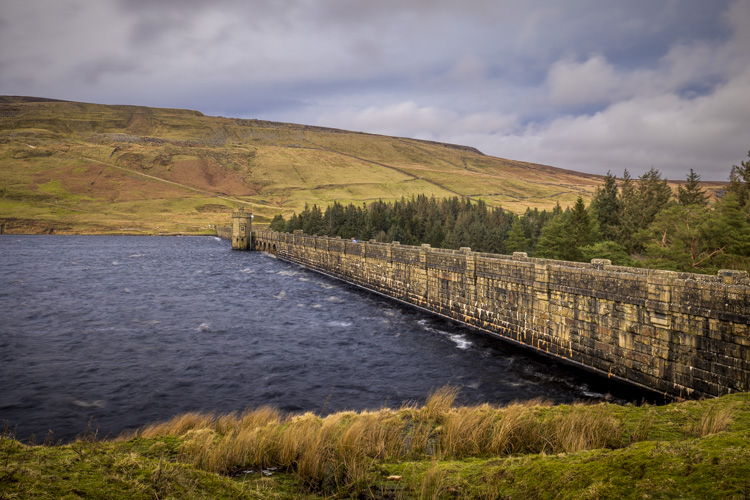
Nidderdale is the sensible first move from Leeds. It has enough variety for a full day without feeling like an expedition: Knaresborough at one end, Pateley Bridge in the middle, then Gouthwaite, Scar House and Middlesmoor as you move up the valley.
| Stop | What to look for | Photography approach |
|---|---|---|
| Knaresborough | Castle ruins, gorge, River Nidd and viaduct | Wander hand-held first. Walk down from the castle to the river and look for the viaduct, boats and still-water reflections on a calm day. |
| Birstwith | Diagonal stepped weir and old mill | Walk beyond the bridge and shoot along the weir. It works better at normal or lower flow, when the steps and cascades have not vanished under brown floodwater. |
| Brimham Rocks | Weathered boulders and sculpted shapes | Go in lower side light. Midday tends to make the rocks look flat; low sun gives shape, shadow and texture. A low tripod and a puddle can make a cracking foreground at sunset. |
| Coldstones Cut | Quarry view, sculpture and lime kiln | Use the spiral sculpture as a subject in its own right, then work the quarry scale and industrial details. It is one of those places where a longer look pays off. |
| Scar House and Middlesmoor | Dam, water, valley and church | At the reservoir, try the formal dam view or a long exposure when conditions suit it. At Middlesmoor, use walls, paths and graves as lead lines into the valley. |
Do not skip the in-between bits either. Gouthwaite can be worth a pause with a longer lens, and there are stretches higher up the valley where the river gets close to the road and you can work cobbles, moving water and trees without needing a massive vista.
Start at Knaresborough, then work upstream
Knaresborough is not a tripod-all-day sort of place unless the light has gone. Walk it with the camera in your hand. The castle grounds, the main street and the viewpoint down to the viaduct all give you different material. Take the stairs down from the castle to the waterside and keep looking as you go; there are pictures on the descent, not just at the bottom.
At river level, take the walk under the viaduct towards the bridge. On a calm day, the still water can give you reflections. On a busier day, boats and people give the scene a bit of life. It is a good place to practise seeing a location from more than one height rather than firing one wide frame from the obvious viewpoint and moving on.
Use the light at Brimham, then slow down at the reservoir
Brimham Rocks needs lower light because it is all about form. Midday sun or grey cloud can make the boulders look a bit dead. When the sun is lower, the light catches one side of the rock and the shadow does the rest. Keep wandering beyond the main cluster: one of the better bits I found was a boulder with a small pool on top, which gave a low sunset reflection with the camera close to the ground.
Up the valley, Scar House is more formal. Work the road across the dam, the turreted entrance, the view down the valley and the water behind you. If you are carrying a 10-stop filter, it is a proper place for flattening the water and letting the clouds move. After that, Middlesmoor brings the scale back down again: church, graves, walls and a valley view. That mix is why Nidderdale works so well for a full day.
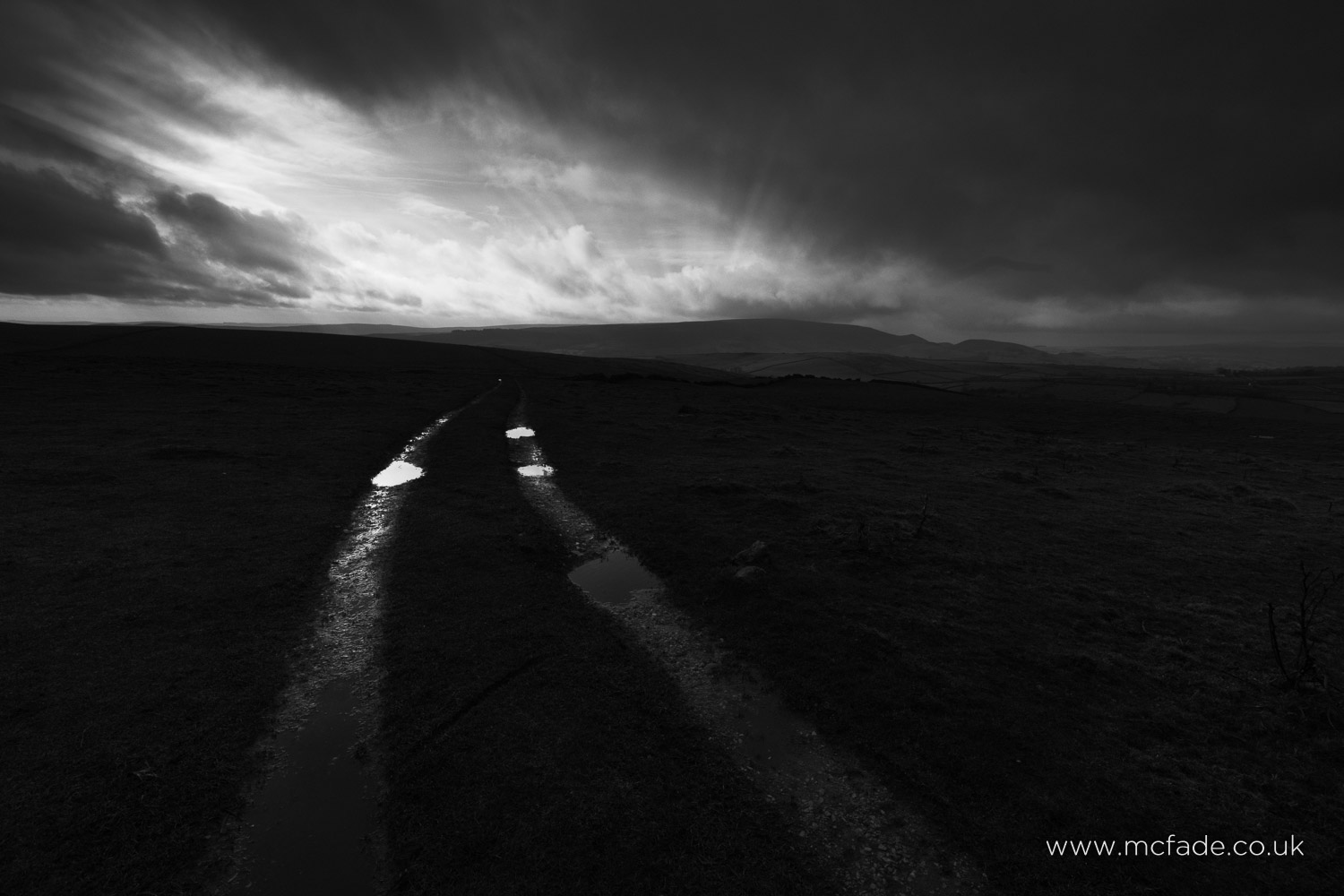
For a proper account of how changeable this valley can be, have a read of our first Nidderdale photography workshop. Wind, rain and a slippery waterfall can alter the plan fairly quickly, which is half the fun if you are prepared for it.
How do you photograph Malhamdale without only coming home with the usual Malham Cove shot?
Malham is famous because the scenery is massive, but it is also easy to photograph lazily. Pointing a wide lens at a big cliff is not a composition. The better photographs come from finding something near you to lead into the limestone: pavement, a path, a wall, a pool or a bit of water.
There are two ways to work the area. You can park up and walk the whole route through Janet’s Foss, Gordale Scar, the Cove and towards the Tarn. Or you can make a more photography-focused day of it, using the car to reach the main points and giving each one proper time.
Janet’s Foss and Gordale Scar
Janet’s Foss has the plunge pool, the waterfall and plenty of green around it. Gordale Scar is a different beast: huge, busy and surprisingly awkward with a wide lens. I often find the better answer is to go longer and isolate the cascades, rather than trying to cram the entire gorge into one frame. Watch your footing; the rock can be slippy and people do tend to appear in the shot.
Malham Cove, the lone tree and the Tarn
On the limestone above the Cove, use the clints and grikes as proper foreground. They can pull the eye towards the path, the valley or the tree on the limestone. Take care with loose kit and your feet: the gaps are not where you want to drop a lens, or yourself. Malham Tarn is a different mood altogether. Get low at the water’s edge, find a boulder or fence line and let the weather decide whether it becomes a reflection picture or a wild-water one.
Do not overlook the quieter approach to Malham
Coming in from Gargrave, there are a few smaller pauses if you have time. The clump of trees near Eshton has a useful shape, and the little humpback bridge and weir by the River Aire can make a quick water study. Kirkby Malham has a proper Dales church, while the higher road gives you views back towards the Cove and, at times, Highland cattle on the moor. Treat them as small opportunities, not places to force a whole hour from.
Once you are at the main features, give the water time. Janet’s Foss has a plunge pool and a very different feel from the towering scale of Gordale Scar. At the Scar, a long lens can simplify the composition and pick out the cascades. At the Cove and Tarn, the subject is more about foreground, line and weather. Same valley, completely different way of seeing it.
If you enjoy a more wandering, pull-over-when-something-works approach, there is another take in my Yorkshire landscape photography locations guide. Not every useful photograph needs a sunrise alarm and military planning.
What makes Wharfedale worth a photography day?
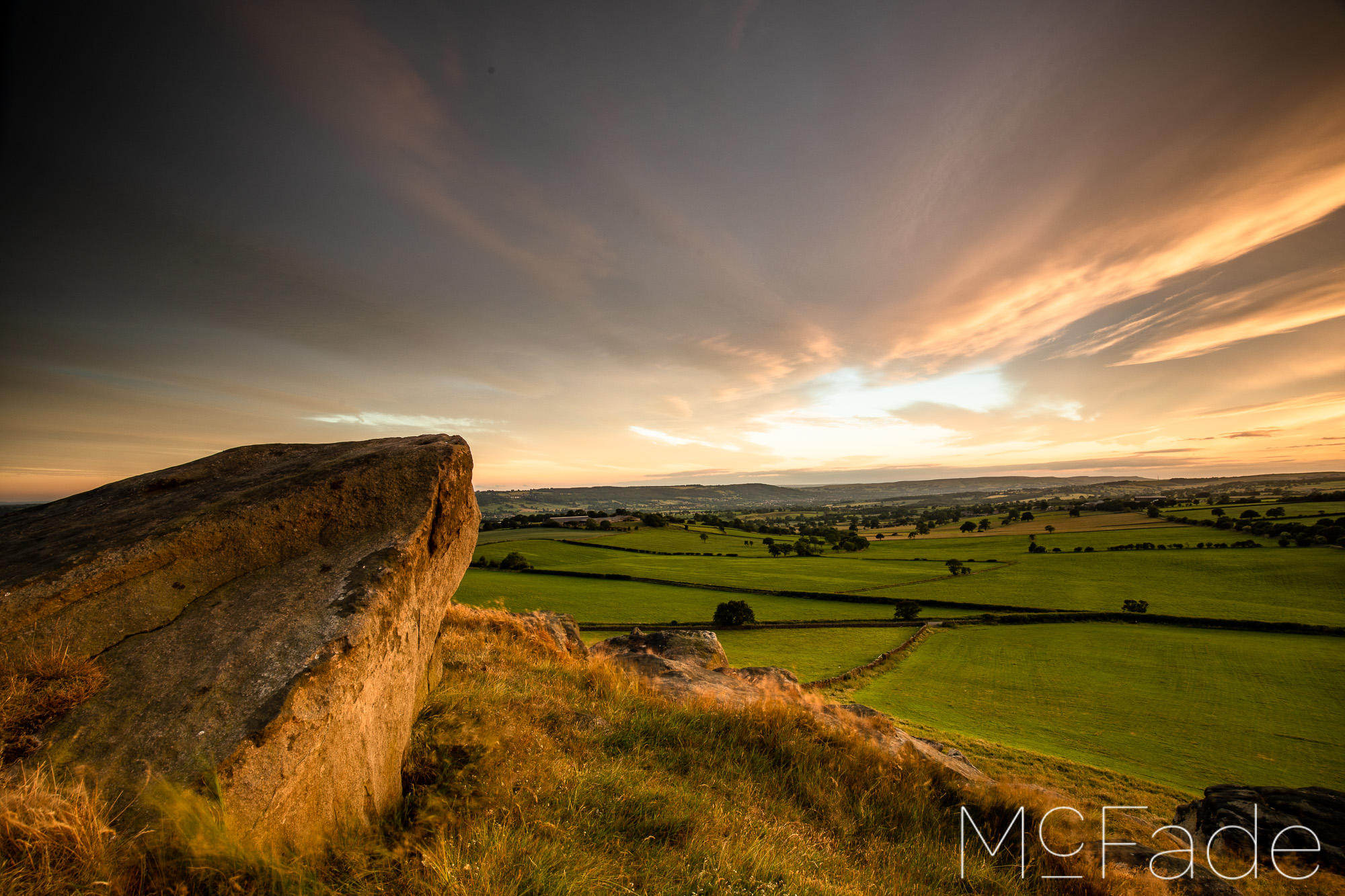
Wharfedale does not always hand you one huge showstopper. What it gives you is an awful lot of smaller wins: weirs, falls, bridges, dry-stone walls, village edges and crags. It is a valley for slowing down and being alert rather than racing towards one trophy photograph.
- Bolton Abbey: the priory, stepping stones and the Strid make a good base, though it can be busy. Keep well back from the Strid; it is not the place for a daft close-up.
- Linton Falls: cascades, a bridge and two weirs close together. Work both upstream and downstream rather than stopping at the first obvious viewpoint.
- Kilnsey: look across the fish ponds on a calm day for the crag and cottages reflected in the water.
- Kettlewell and Buckden: good places for village detail, bridges and a quieter reset between larger landscape views.
- Cray: a seasonal waterfall further up from Buckden. It can be thin in dry weather, so do not build a whole day around it without checking conditions.
There is more to Wharfedale than the famous bits
If you are working your way upstream, Tadcaster has a curved weir and a pale-stone disused viaduct worth a quick look when the river is low or calm. Otley has an easy-to-reach diagonal weir and bridge. Around Ilkley, stepping stones and a small suspension bridge give you detail rather than a huge landscape. They are good reminders that a river valley does not need to be wild to be photographically useful.
Bolton Abbey can feel expensive or crowded if you are only doing a short stop, but it has enough material for a longer wander: priory, graveyard, stepping stones and the Strid. If you want waterfalls away from the main river, the Valley of Desolation is worth researching before you travel because access and parking arrangements change. In Wharfedale, the best result usually comes from picking the few pieces that suit the day rather than trying to complete the entire valley.
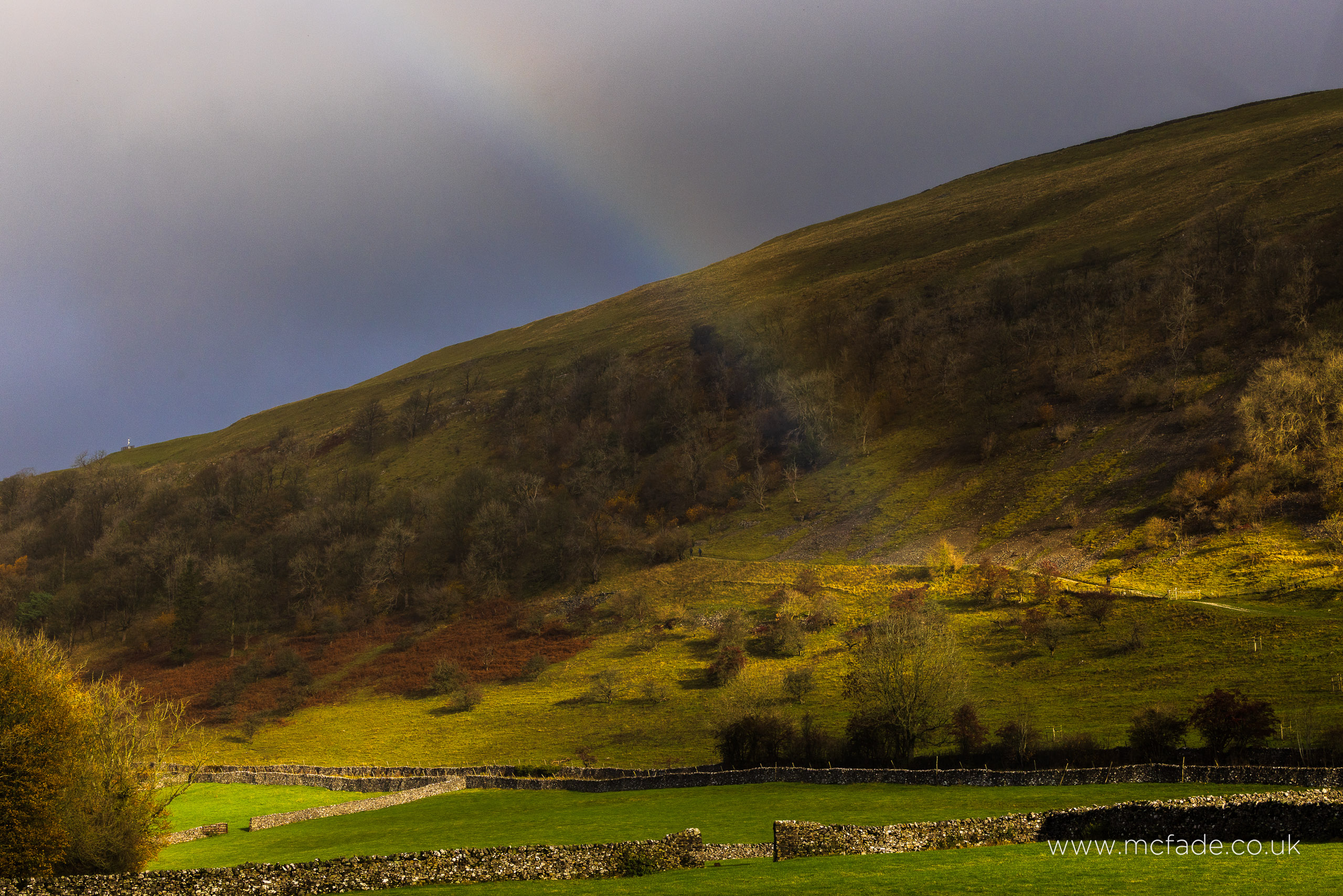
Wharfedale is also a useful reminder that flat light is not a wasted day. When the big view is not doing much, go tighter: the texture of a wall, water over a weir, a bridge, a gate or a run of layers in the landscape can still give you plenty to work with.
Why is Littondale one of the quieter places to photograph in the Dales?

Littondale is a bit of a hidden gem because the best pictures are often made looking into it, not simply driving along its floor. Arncliffe gives you a green, church and bridge to start with, but the roads climbing out of the valley are where the proper landscape work begins.
Above Arncliffe, pull in only where it is safe and legal, then take in the deep valley and its steep sides. Around Halton Gill, a small bridge, the riverbed geology and tree shapes give you more intimate subjects. Carry on over the pass and you get foreground limestone, higher views and an unusual angle on Pen-y-ghent that most people miss because they only ever see it from Horton.
Use a wide lens where a fault line in the limestone points down the valley. Use a longer lens when you want to compress the valley walls and pick out the form of the hills. The tiny lanes need a bit of common sense, and some old pull-ins have disappeared, so do not assume you can stop wherever a map makes it look tempting.
Where are the best photography stops in Wensleydale?
Wensleydale is a cracking run between Leyburn and Hawes. It has enough variety to keep a day moving: Bolton Castle, West Burton Force, Aysgarth Falls, Askrigg, Bainbridge and the higher roads towards Swaledale.
| Stop | Best use of your time |
|---|---|
| Bolton Castle | Walk around the outside and use a longer lens from farther down the valley when the castle sits well in the landscape. |
| West Burton Force | A straightforward waterfall stop with a useful amount of flow and an easy-to-work setting. |
| Aysgarth Falls | Give yourself time for all three sections. The lower falls are the dramatic ones, but the upper and middle falls have their own angles and details. |
| Askrigg and Bainbridge | Slow down for the village, bridge and river scenes. The roads up towards Swaledale are worth the detour for valley views. |
At Aysgarth, a tripod can be brilliant or an absolute nuisance depending on how busy it is. The middle falls have a limited viewpoint, while lower down you can get more front-on possibilities if conditions and mobility allow. Do not force it when the river is high; the water decides how much room you have.
Give Aysgarth time rather than treating it as one waterfall
The upper falls are close to the bridge and give you a side view as well as a more front-on angle from the road bridge. The middle falls are more limited and can feel busy, especially with tripods about. The lower falls are the main event, with a bigger drop below the cascade. If the river level and your footing allow, a lower viewpoint can give you a more direct view of the water and the erosion in the riverbed.
Then slow the pace down again. Askrigg and Bainbridge are not just places to drive through on the way to Hawes. They have bridges, village centres, river scenes and roads that lift you towards Swaledale for a wider valley view. That mixture of falls, buildings and roads is what makes Wensleydale work when the weather refuses to settle into one type of photograph.
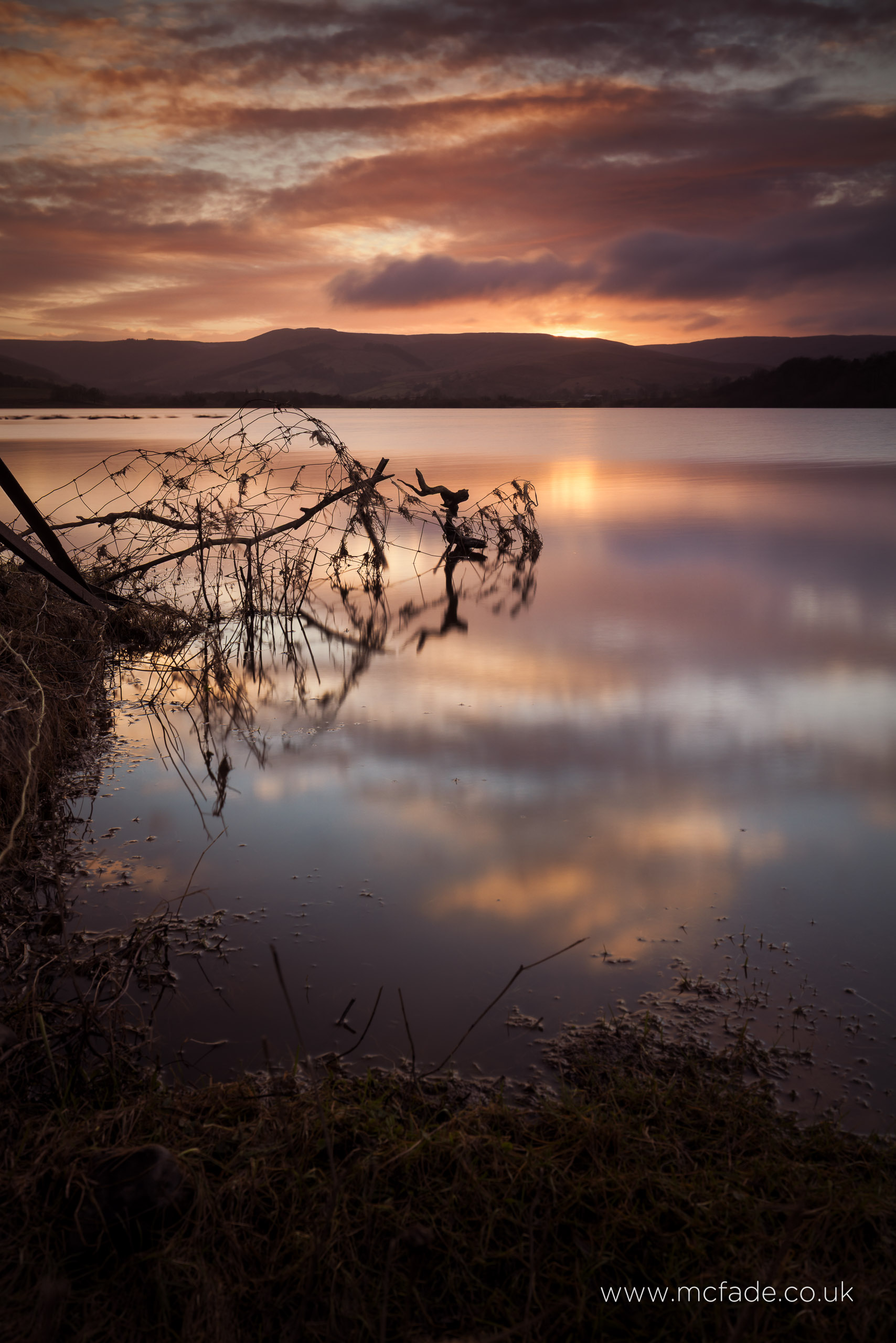
For more waterfall-specific reading, these Yorkshire waterfall locations include Aysgarth and the Valley of Desolation at Bolton Abbey. The technique stays simple: keep the camera steady, watch the brightest water and do not assume a longer exposure automatically makes a better photograph.
What should you take for a Yorkshire Dales photography day?
- Boots or wellies: the useful angle is often a few muddy steps away from the car.
- A tripod: for water and long exposures, but do not carry it around just because you own one.
- A wide lens and a longer lens: the wide lens needs a proper foreground; the longer lens is often better for waterfalls, layers and distant castles.
- Filters if you use them: an ND grad can help when the sunset sky is much brighter than the ground, and a 10-stop can make water and cloud movement more deliberate.
- Time: two properly explored locations usually beat ten rushed ones.
If you would rather learn this stuff while you are actually standing in the landscape, have a look at my one-to-one photography lessons in Yorkshire. A landscape day is built around your camera, your technique and the sort of pictures you want to make, rather than pretending one route works for everybody.
Frequently asked questions about Yorkshire Dales photography locations
Which Yorkshire Dale is closest to Leeds for photography?
Nidderdale is a good first choice from Leeds. Knaresborough, Pateley Bridge, Brimham Rocks and Scar House give you town, water, rock and open landscape without needing to cross the whole national park.
Where should I photograph waterfalls in the Yorkshire Dales?
Janet’s Foss and Gordale Scar around Malham, Linton Falls in Wharfedale, West Burton Force and Aysgarth Falls in Wensleydale all give you different kinds of water. Check recent rainfall and take care on wet rock.
Do I need a wide-angle lens in the Dales?
A wide lens is useful for limestone pavement, big foreground rocks and valleys, but it is not the only answer. A longer lens is often better for a waterfall detail, distant castle, layers of hills or a reflection across still water.
When is the best light for Yorkshire Dales photography?
Low sun usually gives more shape to rock, walls and hillsides. On a grey day, look for water, texture, village detail and more intimate compositions instead of waiting for a massive vista to rescue itself.
Can I do several Dales in one day?
You can, but it is usually a worse photography day. Pick one valley that suits the weather, choose a couple of main stops and leave room to react when the light, water or a good foreground turns up. So there you go.