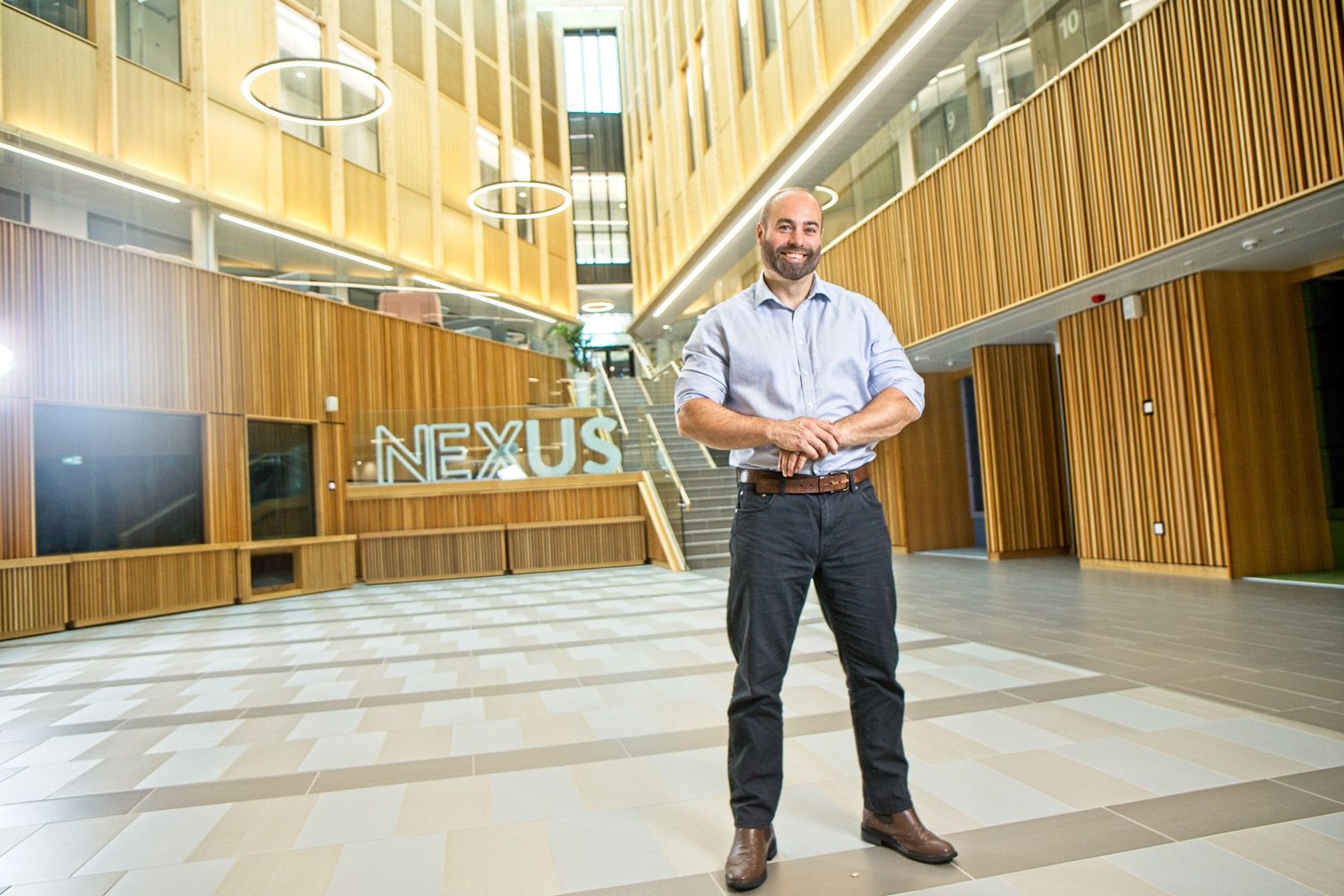
Another series of photography workshops came to an end in Manchester on 26 September, and what a summer it turned out to be. It feels like ages since we started with the beginners’ evening in Leeds, which, in true Yorkshire fashion, was the only evening where it properly rained.
2018 was amazingly dry and hot, which made the full run of 10 workshops a proper joy. We started with absolute beginner camera control, then built things up week by week: composition, landscapes, filters, portraits, cars, architecture, night photography and a fair bit of improvisation along the way.
So here’s a quick review of what we covered in the photography workshops I’d designed for absolute beginners. The idea was simple: help people gradually learn technical and creative skills over the months, without chucking everything at them in one big, baffling heap.
Photography Workshop 1 – Leeds
Creative camera control
Leeds was a wet night. We met around the Corn Exchange and used the arches as cover, which turned out to be a decent bit of accidental location scouting.
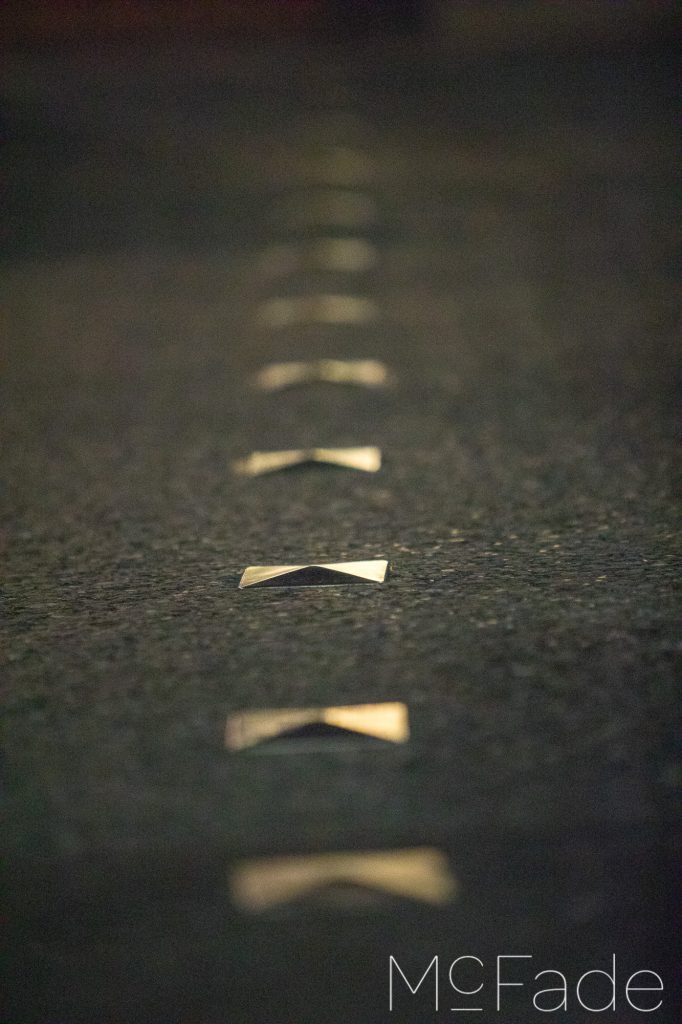
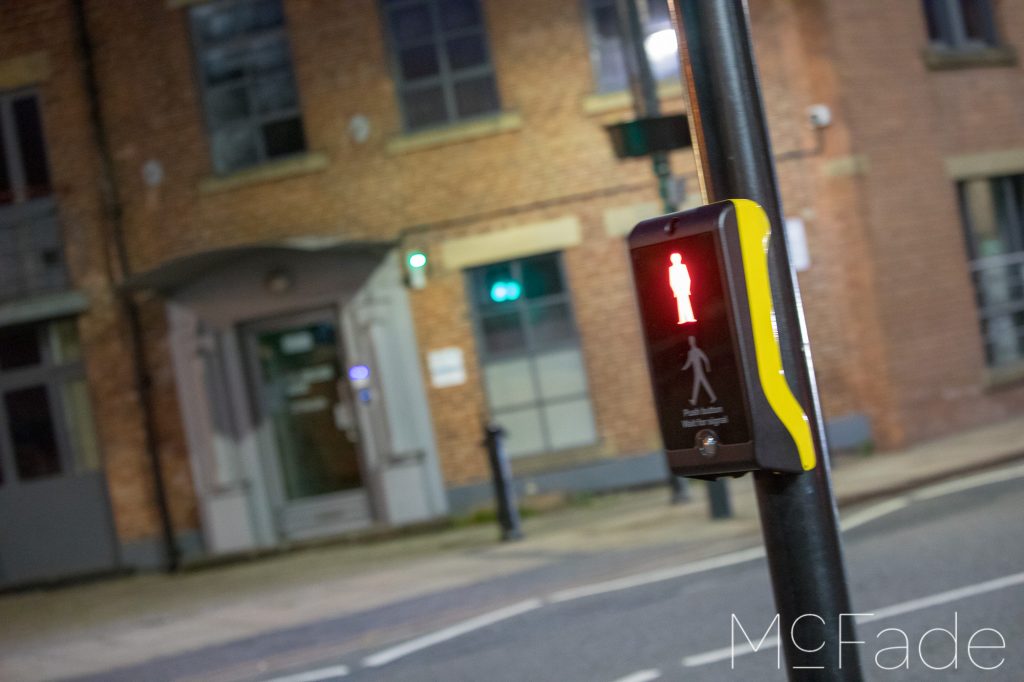
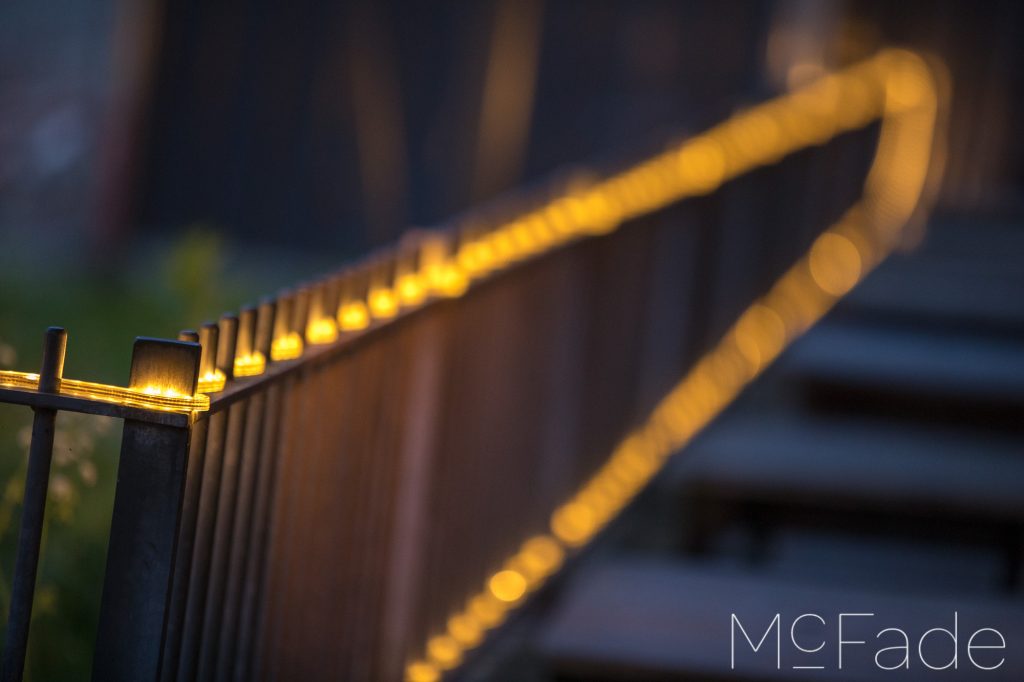
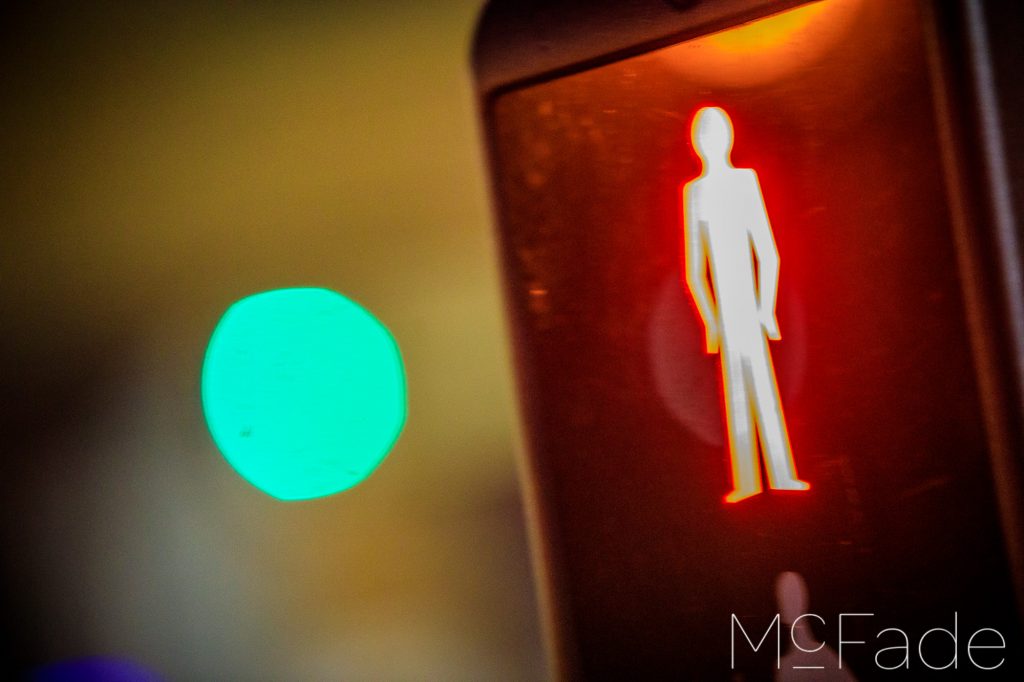
The evening was all about how f-stops and focal lengths can be used creatively. Blurry backgrounds and crazy close-up photos were the theme. We even ducked into Aire Bar for shelter, because sometimes the weather makes the lesson plan for you.
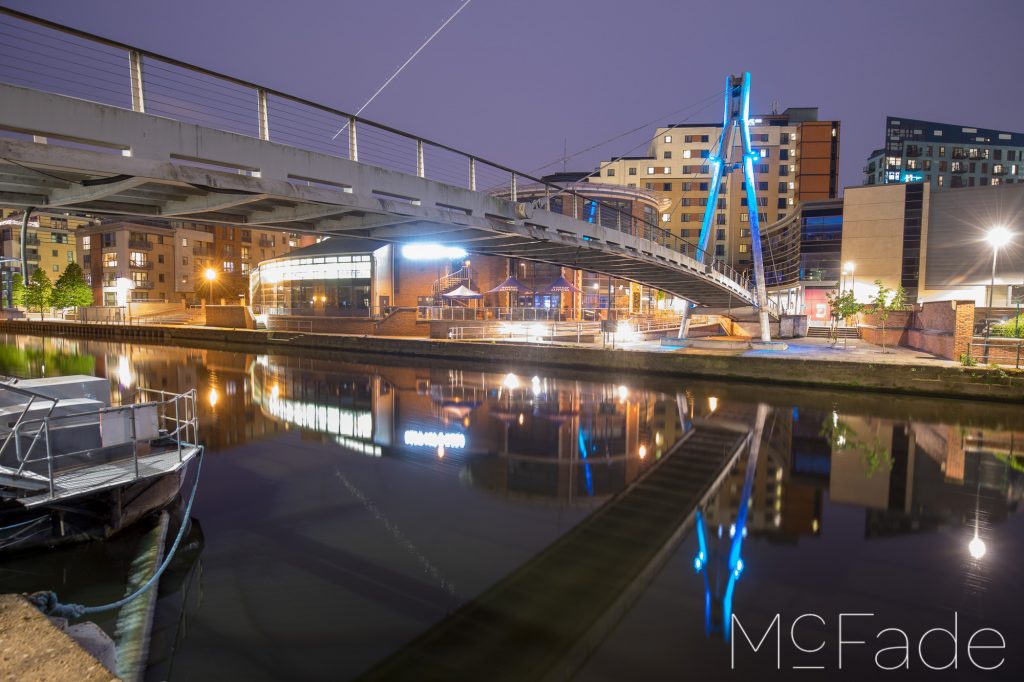
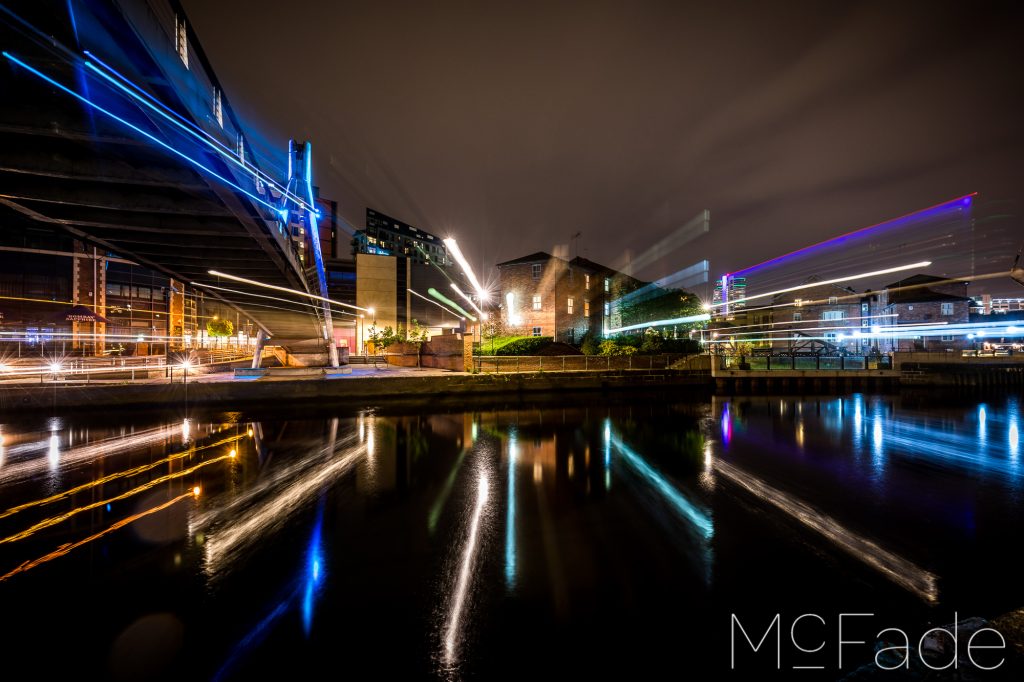
Here are a few shots from the evening.

Photography Workshop 2 – Bradford
Seeing like a photographer
Session two was about looking. We walk around in our daily lives and pass by literally millions of potential photos each day. In Little Germany, we slowed everything down and took our time.
We found things like bollards and thought about how they could be used in an image. Would you use a long lens and stand back? Or would you use a wide lens and get very close?
Seeing images is something that comes with practice, time and patience. It’s not an easy one to teach, other than to find things myself, then show the group the photo I’d just taken.
Low shots from the floor, wide shots with lots going on, zoomed-in shots with just one focal point — it was a real eye-opener of a workshop.


Photography Workshop 3 – Burley and Ilkley
Landscape photography and filters
Landscape photography is popular, and if you’re in a decent location, you can get some fantastic shots with fairly basic skills. So, on this workshop, we built on the first two sessions by showing the group how filters work.
I demonstrated the polariser effect on water, making the reflected sky appear and disappear as you rotate the filter. We also looked at ND grad filters and how they darken the sky while leaving the land alone. I even got the 10-stop filter out and showed them a 30-second exposure in daylight.
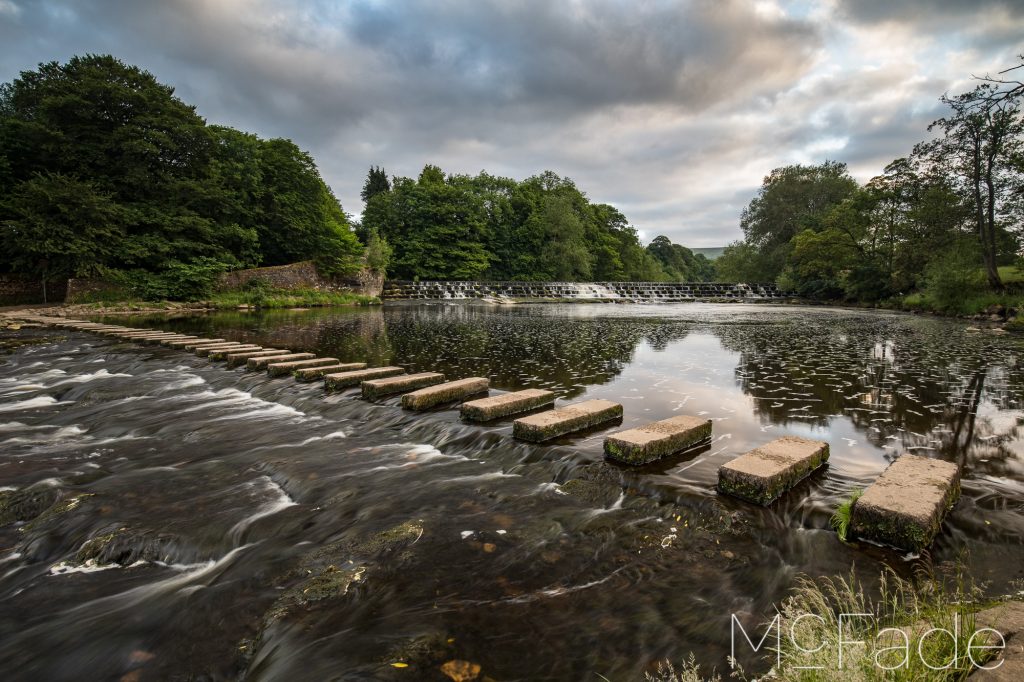
The weir at Burley is great. You’ve got the curved steps for starters, plus the stepping stones to use as foreground interest and leading lines.
Halfway through, we went to the Cow and Calf on Ilkley Moor. The sun was going down fast, so we made silhouette photos of the famous rocks with bold red skies behind them. The ball of the sun became a cracking focal point.
To finish, we went onto the rocks to find carvings, which make brilliant foregrounds for a landscape photograph.



Photography Workshop 4 – Almscliffe Crag
More water and boulders
The second landscape evening started near Harewood House at a weir on the River Wharfe. Here we created long exposure photos of the bubbles as they spiralled around. Those little trails and swirls can look quite surreal when you slow everything down.
We concentrated more and more on metering and how to use manual exposure during this workshop. Manual exposure can feel baffling at first, so it’s best to introduce it slowly over a few weeks rather than expecting everyone to magically nail it in five minutes.
After the river, we went to another famous Yorkshire crag: Almscliffe. We were treated to the best sunset of the summer up to that point. It was amazing how red the sky went, right past 10pm.


Photography Workshop 5 – Location Portraits
How to photograph people outside and use the location creatively
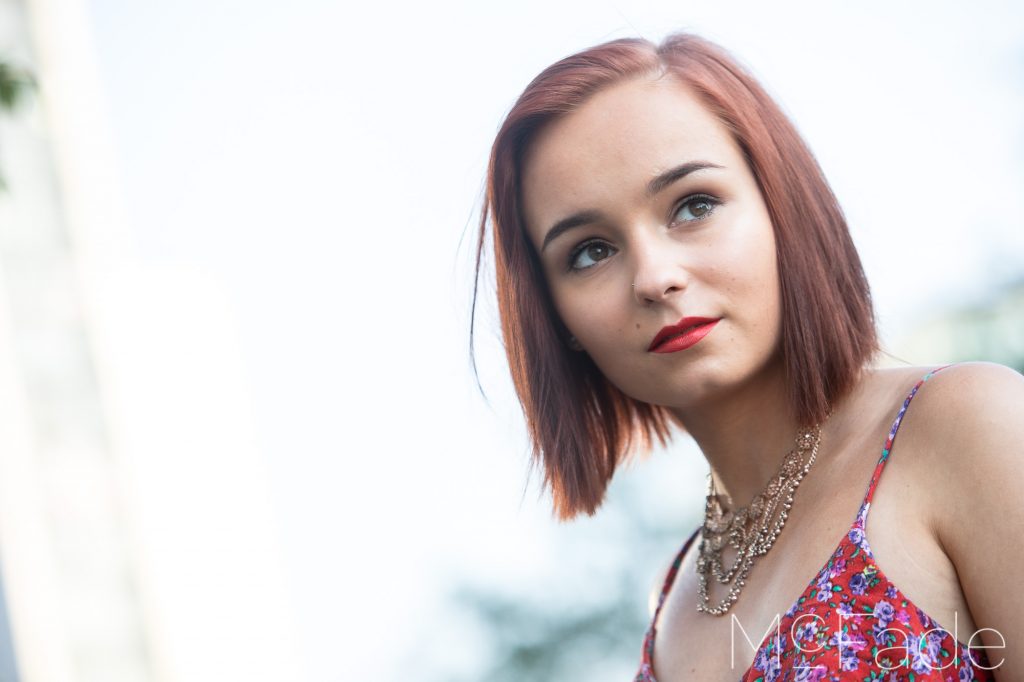
We’d not done any portrait workshops for a few years, so we invited five friends to model for us around the Royal Armouries area of Leeds. We had the best turnout of the summer for this one, so we split the group into five pairs, each with a model.
The main thing I wanted to share was this: the easiest way to get a decent portrait is to use a long lens, zoom right in, then walk back to get the framing right. This cuts out all the background distractions you don’t want and blurs things beautifully.
Another beautiful summer evening meant we could shoot until 10pm, so we got hundreds of great shots between us.


Photography Workshop 6 – Location Portraits 2
Two very different locations
For the second portrait session, we had Nicola and Chloe doing their thing, and a little later Andy Blue Maclaren joined in.
Location one was Park Square: a sea of flowers and green, which gave everything a soft, pastoral look. We used trees and benches to start with, then moved on to the old police station building a couple of minutes away.
The building has lots of graffiti over it, which made it great for a grungy background to the portraits. We did narrow depth of field portraits, looking along a wall to Chloe peeking around a corner.
We finished with a flash photography demonstration at the old swimming pool car park — a little taster of what you can do with speedlites.


Photography Workshop 7 – Cars
Wide shots, detail shots and flash shots
After six workshops, everyone was getting to grips with camera settings, so it was the perfect time to do the car workshop. It gave everyone the chance to try their new skills on something totally different.
Our friends at WY TVR Club had their meeting at the Manor Golf Club, so we met there at 7pm and shot through until about 9:15pm. Then I got a pair of flashes out to show what you can do with two lights.


Photography Workshop 8 – Saltaire
World Heritage Site, landscape and architecture in the same night
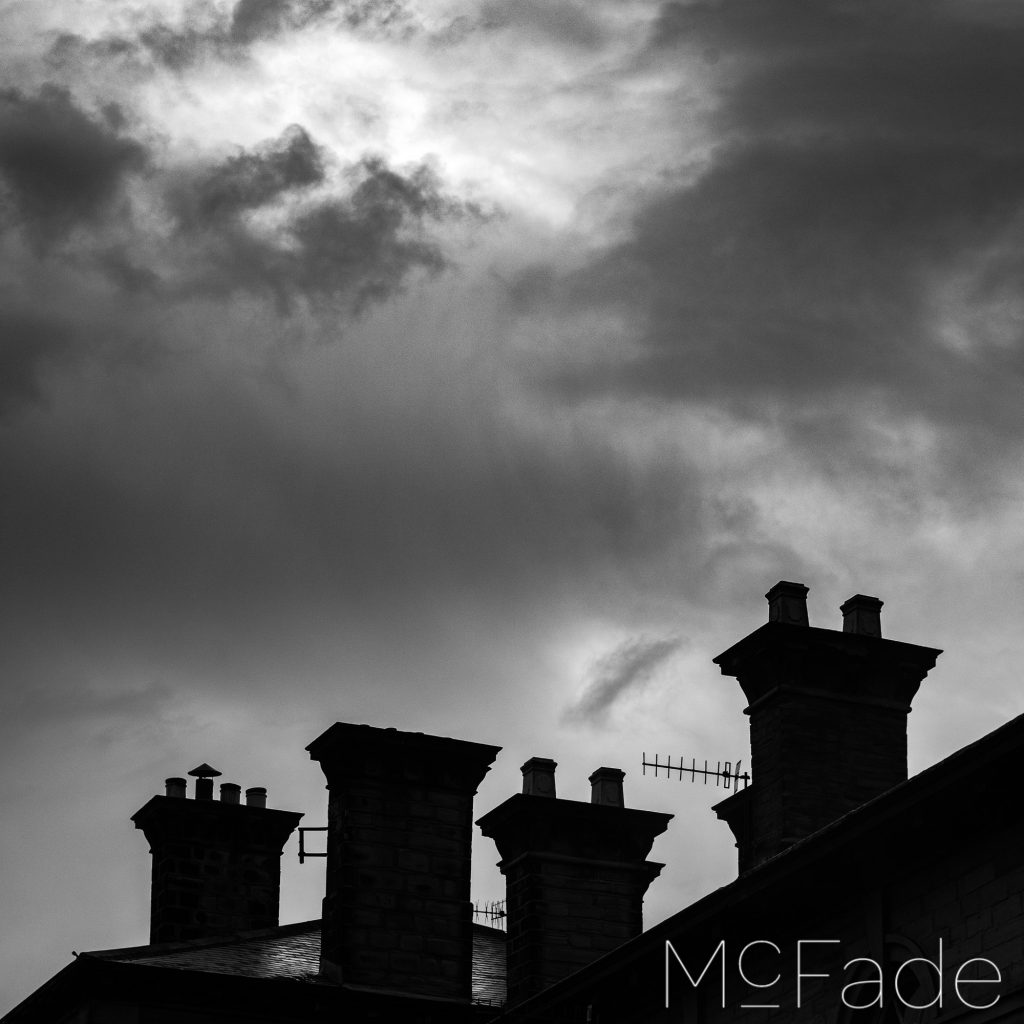
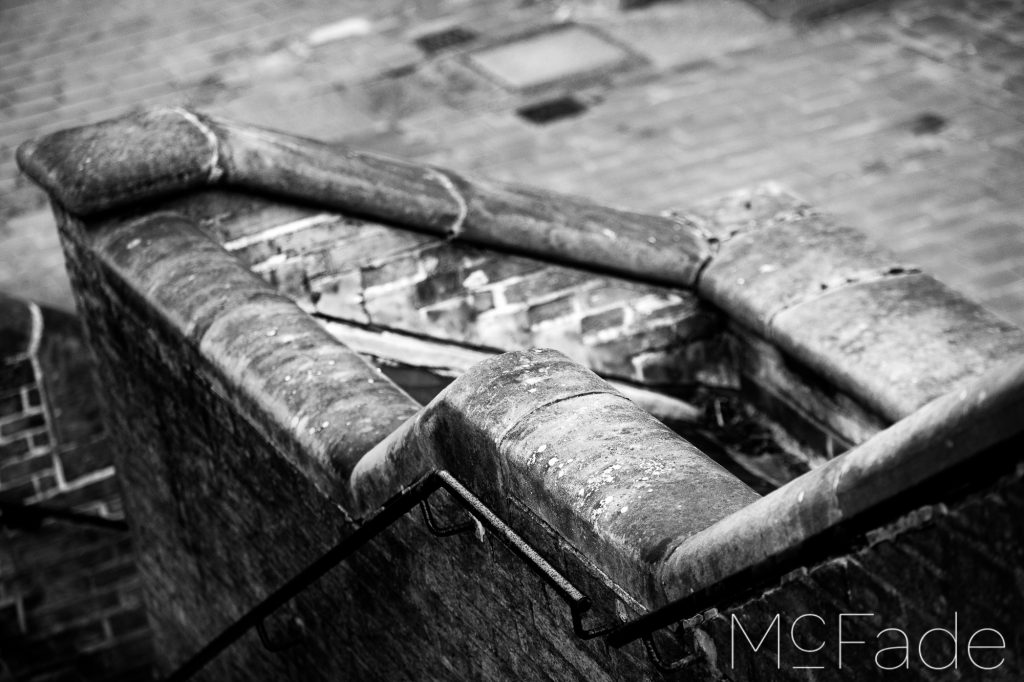
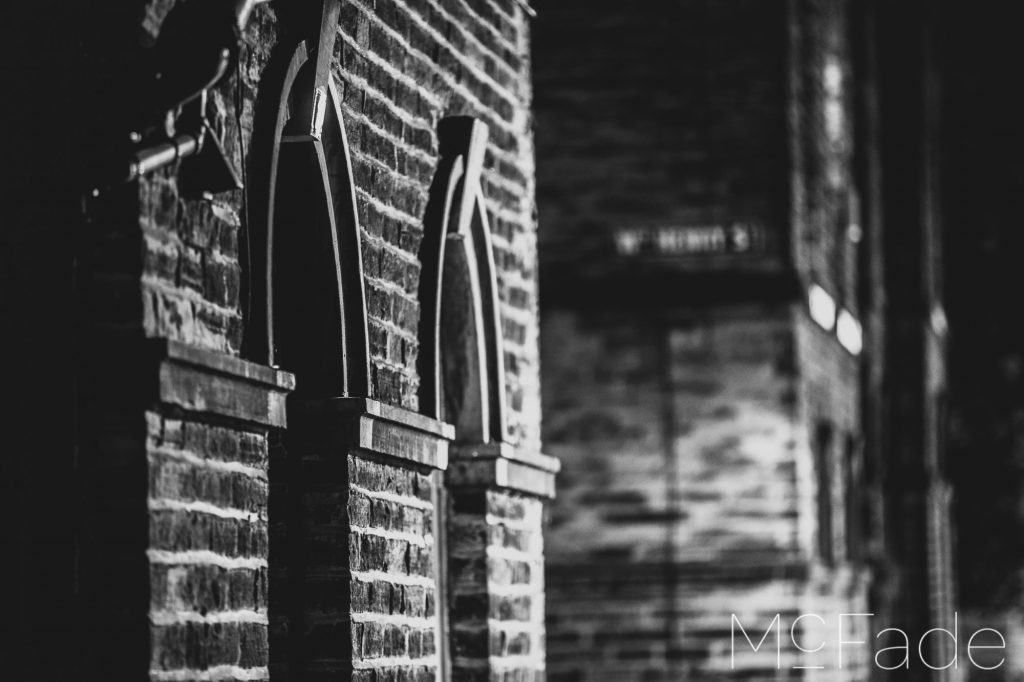
Saltaire is a real mix for a photographer. You have the river and canal for the landscape photographers, the mill and chapel for the architecture crowd, and the model village for anyone who likes a bit of urban photography.
This workshop was a little wet at the start, so we took shelter on the towpath under a bridge for a while. From there, we had great reflections of the mill in the water, so all wasn’t lost.
After that, we crossed the footbridge over to the weir. It leads the eye towards one of the mills, so it’s a great setup. Lots of trees have grown there recently, so the space to shoot gets smaller each year.
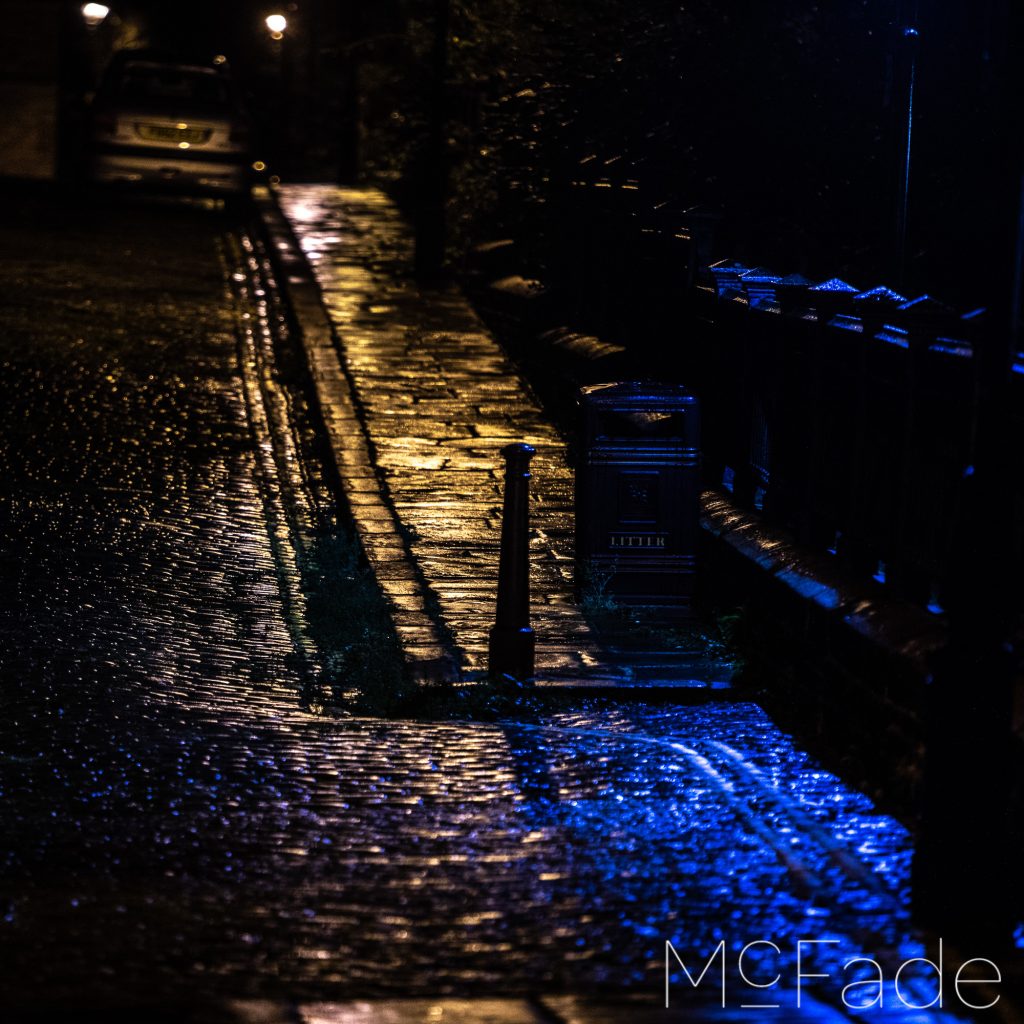
To finish, we went to the cobbled streets and captured reflections in the watery lanes.



Photography Workshop 9 – York
Old walls and the Shambles
By this stage, with eight workshops done, things were starting to click. Exposure made more sense, composition felt easier, and the evening became about putting it all together.
We met near the train station this year and went to the walls for the classic view of the Minster. This gave us options to use the wall in our composition, and as the sun went down, we could use longer and longer exposures to add car light trails.
The Minster area was closed, unfortunately, so we spent more time on the Shambles and tried different techniques. When we got there, Nicola Papperazzo was on hand to do some great poses for us.
We tried portraits with ambient light, which was very low, and then with a couple of bare speedlite flashes, which we sat on door frames and steps. It turned into a proper lesson in improvisation and being flexible.


Photography Workshop 10 – Media City
Sunset, blue hour and night photography at Salford Quays
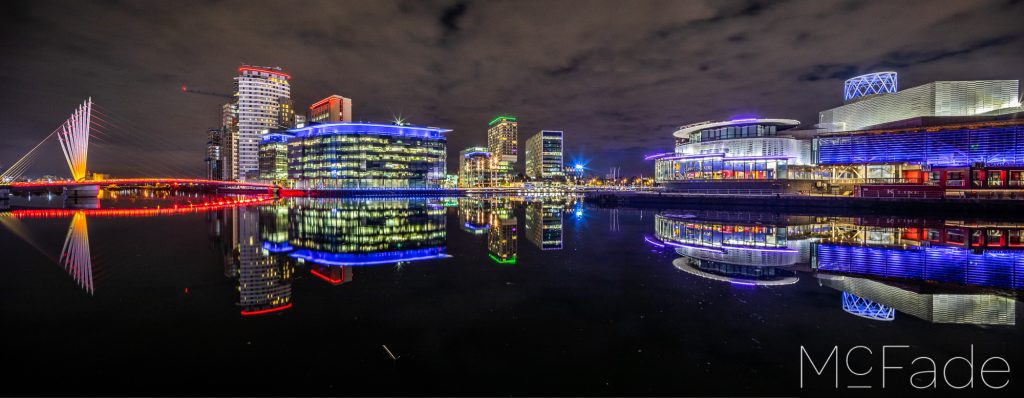
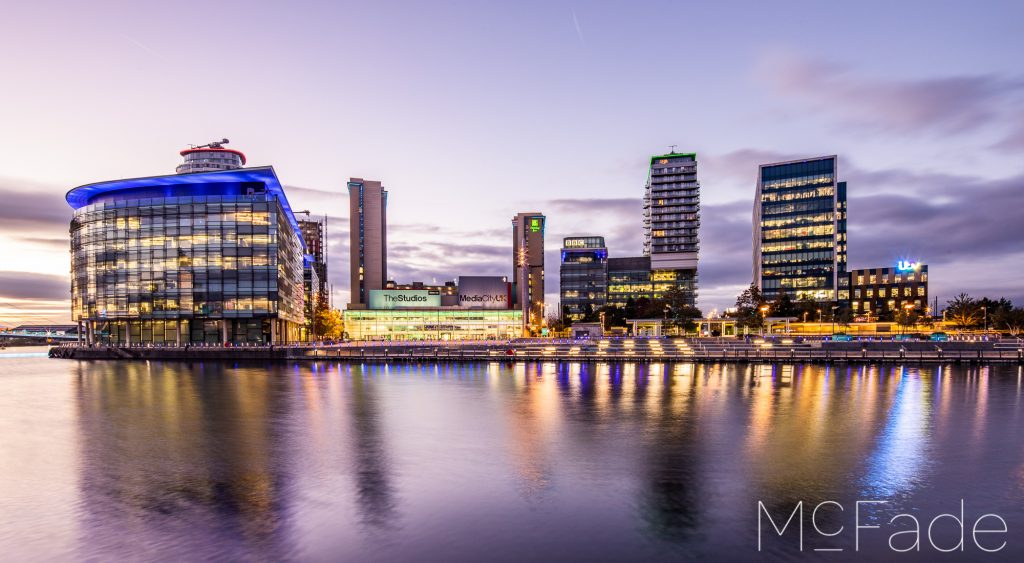
And then came the final one: the sunset and night photography workshop at Salford Quays.
This session was about coping with changing light. We showed the delegates how to use Live View and the live histogram to keep checking exposure as the evening shifted from sunset to blue hour, then into night.
It was also about composition. Media City is full of features, lights and structures, so to make the most of it, you need to remember right back to lesson two in Bradford and use the rule of thirds and leading lines to piece your images together.
Once it was dark, the sky became too black for most images, so we included less and less of it. At that point, it really was wasted space. And, as usual, we stayed a fair bit after 10pm. It really is that absorbing down there.




What beginners learned across the 10 photography workshops
The point of the series was to build confidence gradually. Nobody starts out knowing how to juggle aperture, shutter speed, ISO, lenses, composition, filters, flash and changing light all at once. That would be bonkers.
So we started with the basics first, then introduced new subjects and locations week after week. By the end, the group had practised on city streets, rivers, moorland, portraits, cars, architecture and night scenes.
- In Leeds, we covered creative camera control, aperture and focal length.
- In Bradford, we practised seeing ordinary details as photographs.
- At Burley and Ilkley, we used filters for landscape photography.
- At Almscliffe Crag, we pushed long exposures and manual metering further.
- In Leeds, we photographed outdoor portraits using long lenses and locations.
- At Park Square and the old police station, we explored different portrait backgrounds.
- At the car workshop, we practised wide shots, detail shots and two-light flash.
- In Saltaire, we mixed landscape, architecture and reflections.
- In York, we worked with low light, light trails and improvised flash portraits.
- At Media City, we finished with sunset, blue hour and night photography.
All done
So that’s the summer in a nutshell. We took beginners, showed them the basics first, then introduced new subjects to try them on, week after week, until they left with a firm platform from which to take their photography forward.
We’ll be doing a similar series over the winter, maybe one per month. We’ll start in the cities, then take groups into parks and maybe even onto moors and landscape locations to shoot at night with torches.
Watch this space
Photography workshop FAQs
Are these photography workshops suitable for beginners?
Yes. The whole series was designed for absolute beginners, starting with basic camera control and gradually building towards more creative and technical subjects.
What did the beginners learn first?
The first workshop focused on creative camera control, including f-stops, focal lengths, blurry backgrounds and close-up photography.
Did the workshops include landscape photography?
Yes. Several workshops covered landscape photography, including sessions at Burley, Ilkley, Almscliffe Crag and Saltaire. These included filters, long exposures, silhouettes, foreground interest and composition.
Did the workshops include portrait photography?
Yes. Two sessions focused on outdoor portraits, using long lenses, natural backgrounds, urban locations, narrow depth of field and a short speedlite flash demonstration.
What was covered in the final workshop?
The final workshop took place at Media City and covered sunset, blue hour and night photography. The group practised using Live View, the live histogram, leading lines and changing compositions as the light faded.