6 Tips for Photographing Industrial Processes
Direct answer: Good industrial process photography starts with knowing what you need to show, who needs to see it, and why it matters. Wide shots, close-ups, team images, lighting, careful editing, and a sensible sharing plan all help turn complex manufacturing work into photographs that explain your business quickly and clearly.
If you’re in manufacturing, chances are you’re looking for new ways to show off your processes. Whether the pictures are for internal use, external marketing, or both, seeing the work in action is one of the quickest ways to explain what makes your company tick. We’ve put together a few tips for anyone who wants to photograph industrial processes properly.
Ade McFade, CAA Licensed Pilot & Commercial Photographer.
A Few Tips
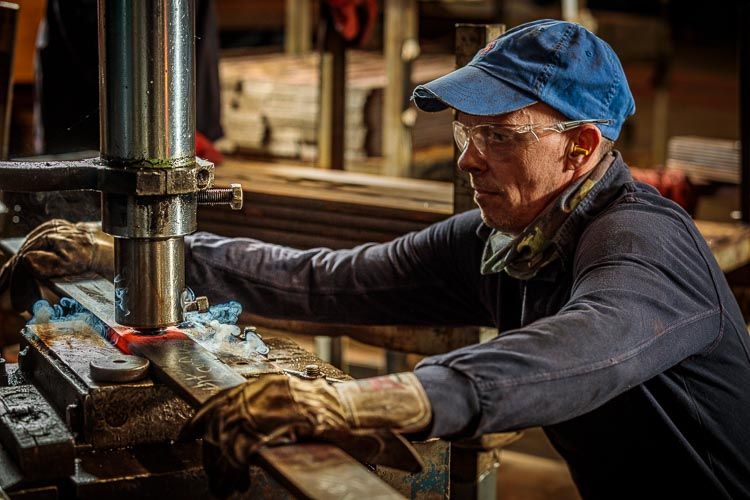
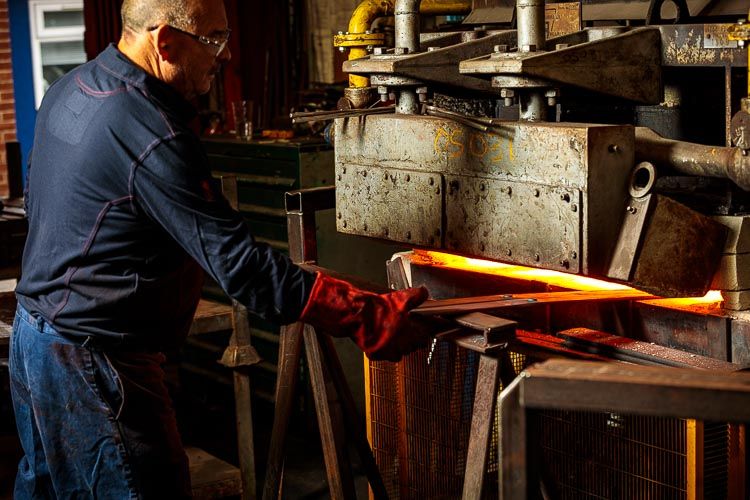
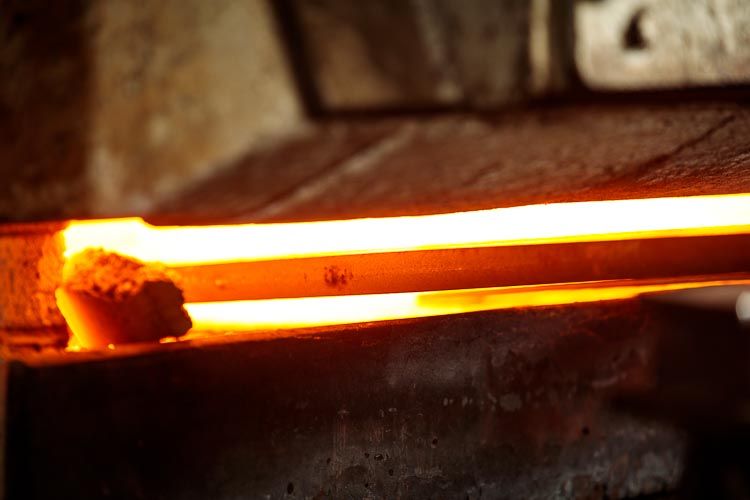
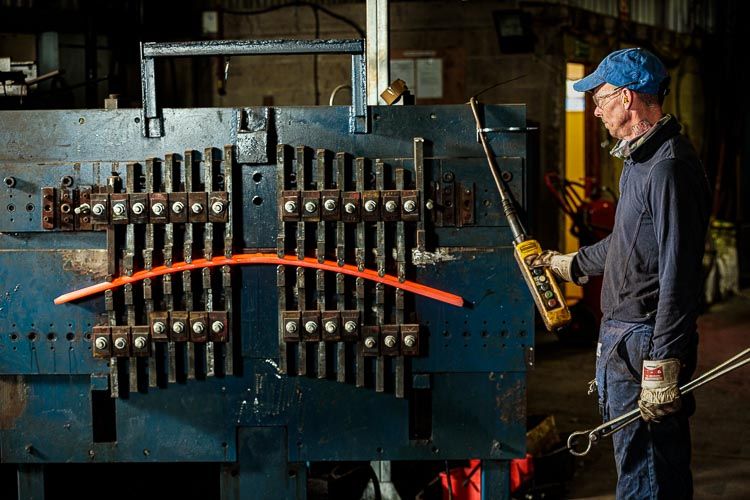
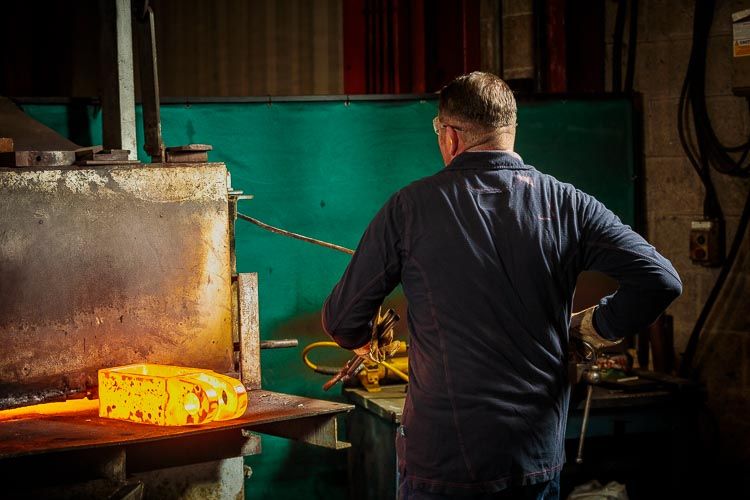
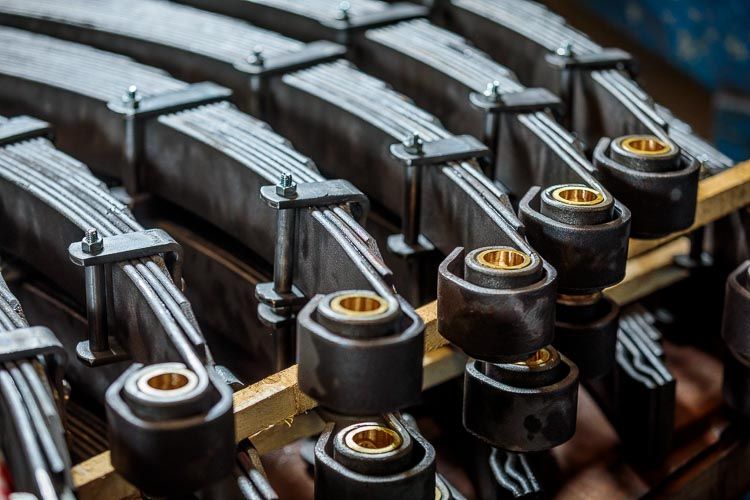
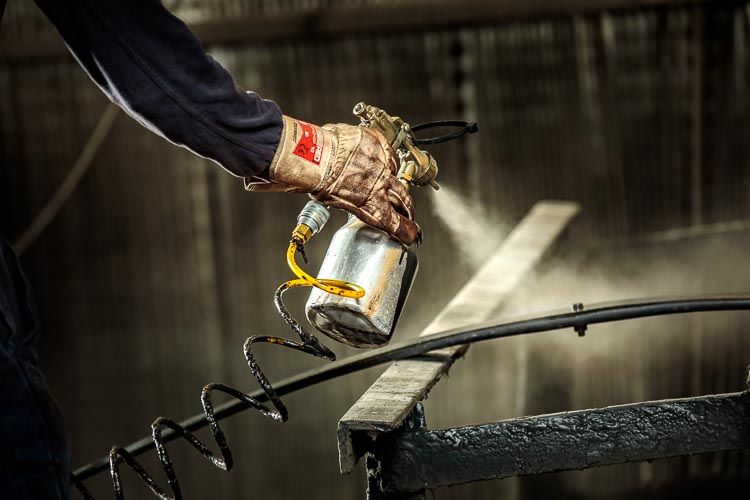
Rotherham’s Owen Springs have been creating leaf springs for road vehicles and trains for more than 30 years. The photos in this article are all from their amazingly skilled team, their processes, and plenty of very hot bits of metal.
1. Why Take Pictures of Industrial Processes?

Photographs show your processes to the viewer instantly, which is half the battle. They also work across your website, brochures, presentations, social media, and print, so one solid shoot can do an awful lot of heavy lifting.
2. What Should You Decide Before the Shoot?

First, think about what you are going to use the images for and who the audience is. That should guide what kind of photographs you actually need, rather than just turning up and hoping for the best.
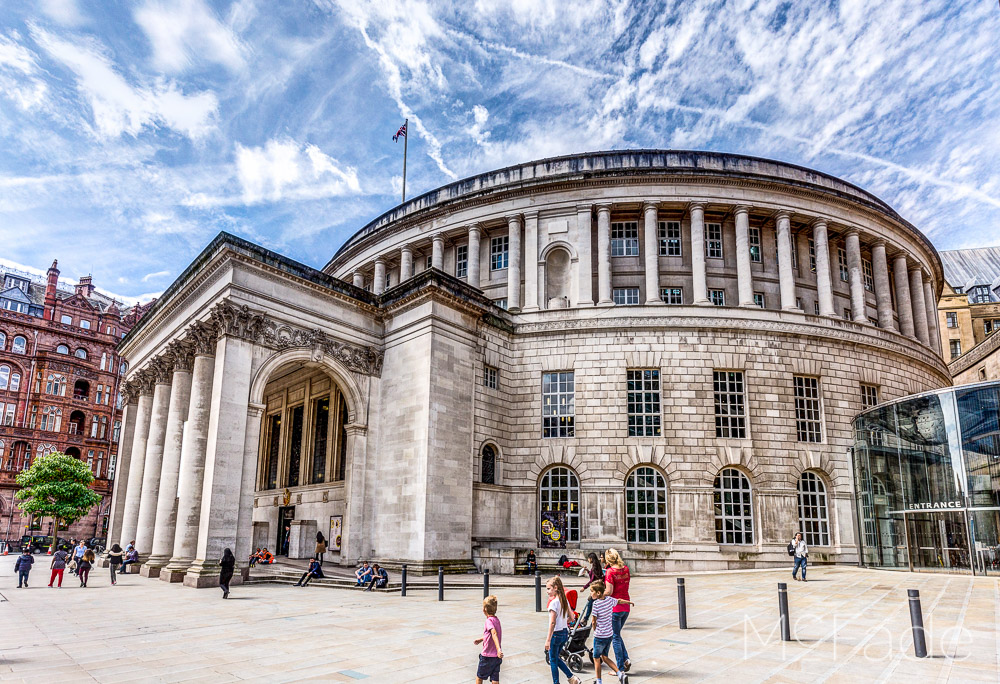
Maybe you need wide shots to show off the buildings for an editorial feature. Maybe you need close-ups of the manufacturing process, the testing rig, or the team in action. You know better than anyone what matters most, so this step is well worth doing before the cameras come out.
3. What Are the Basics of Industrial Photography?

At McFade, the basics are pretty simple: tell the story of the work. We document your processes as we see them, take your guidance on what is important as you explain things on the day, and add a bit of light and lens magic to bring the whole lot to life.
4. How Do You Get the Right Shot Safely?

We always bring lighting, a wide range of lenses, and even a drone so we have as many options as possible. The point here is to get you the best angle we can, while staying firmly on the safe and legal side of things.
5. How Should Industrial Photos Be Edited?
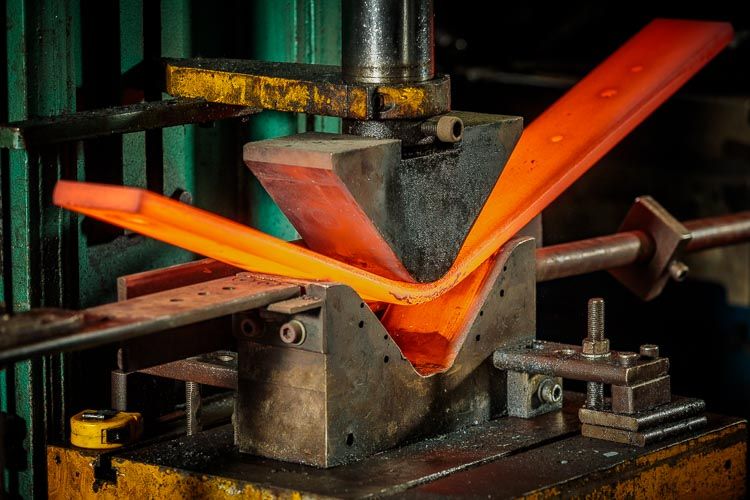
Industrial processes can be incredibly photogenic and striking. Our post-processing is designed to maximise the visual impact so your images stand out in Google search results, on social media, and anywhere else they are used.
6. What Should You Do After the Photos Are Delivered?

Once the photographs have been delivered, make sure you have a content marketing plan ready to go. We’d recommend drip-feeding the images over the long haul rather than dumping 50 of them online in one go. That way, the shoot keeps working for you long after the day itself.
In Conclusion
Industrial photography can help you communicate a lot about your business quickly and effectively, but it can be a bit tricky to get right without experience. Hopefully these tips help you plan better pictures of your industrial processes, and get more value from the effort when you do it.