
When it comes to choosing the right lens for a specific type of photography, there are several factors to consider, such as the type of camera you have, your budget, and the specific subject you’ll be photographing.
I get asked it all the time on workshops – which next?
There isn’t a correct answer of course, other than “It depends”.
It’s really down to 2 things
- Budget
- Use
So I’ve listed the main topics of photography below with a recommendation, and the pros and cons – hope it’s useful

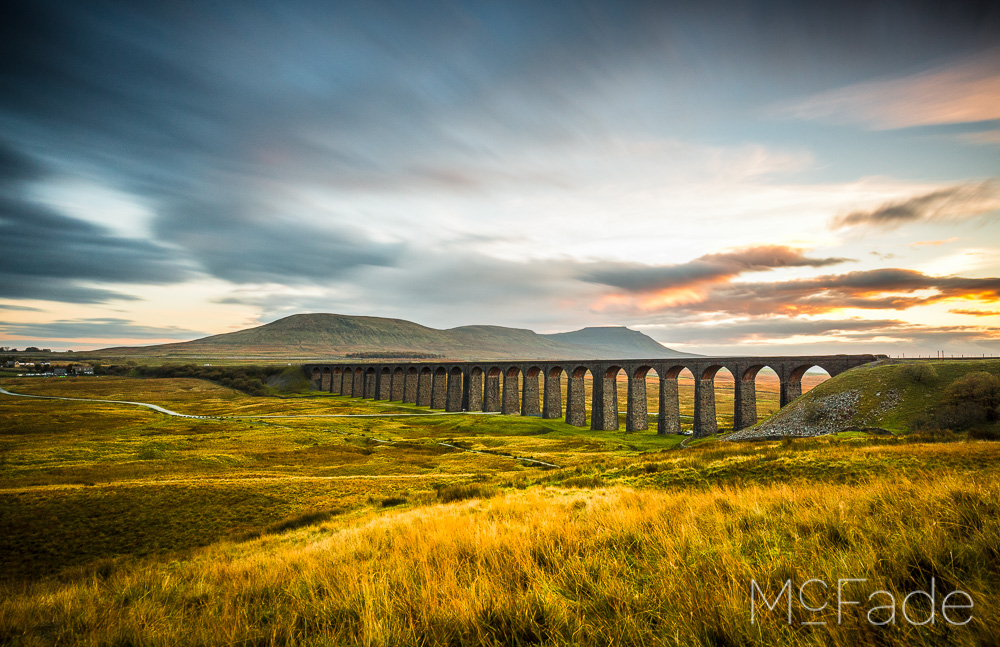
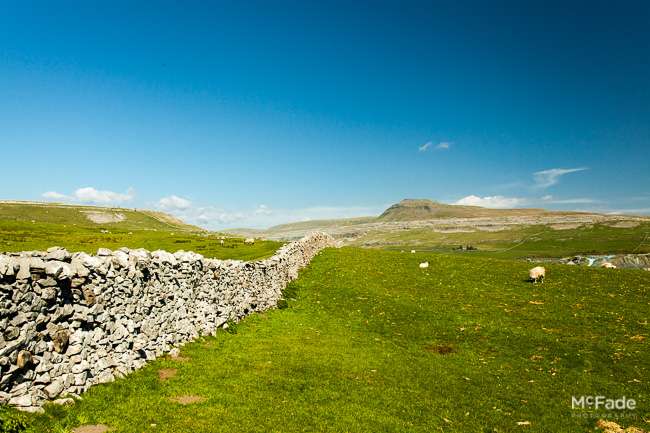
- Landscape: Wide-angle lenses are often the go-to choice for landscape photography as they can capture a wide field of view. A good choice would be a 16-35mm or 24-70mm lens. Advantages include the ability to capture a large area, a deep depth of field, and the ability to include foreground elements. However, the downside of using a wide-angle lens is the distortion it can create if not used correctly.

- Portrait: For portrait photography, a prime lens with a focal length between 50mm and 85mm is usually the preferred choice. The aperture should be around f/1.8 to f/2.8, allowing for a shallow depth of field that can blur the background while keeping the subject sharp. Advantages include sharp and clear images, beautiful bokeh and smooth transition of focus from the foreground to the background. The disadvantage is that the fixed focal length may require you to move around more to capture the right composition.

- Architecture: Architecture photography often requires a wide-angle lens to capture the entire building or structure. The recommended lenses are similar to landscape lenses, including the 16-35mm and 24-70mm. Advantages include the ability to capture a large area and a deep depth of field. However, distortion can also be an issue if not used correctly.

- Wildlife: (ok, a hen party isn’t really wildlife, but they were certainly a little on the wild side!) A telephoto lens with a focal length of 300mm or greater is recommended for wildlife photography. A 70-200mm (and teleconverter to double it to 400mm) or 100-400mm lens would be ideal. Advantages include the ability to capture distant subjects, and the ability to blur out the background, which can create a beautiful bokeh effect. The disadvantage is that telephoto lenses are typically expensive. The 70-200 and TC is probably the most practical solution as it’s a great lens for portraits and many other subjects.
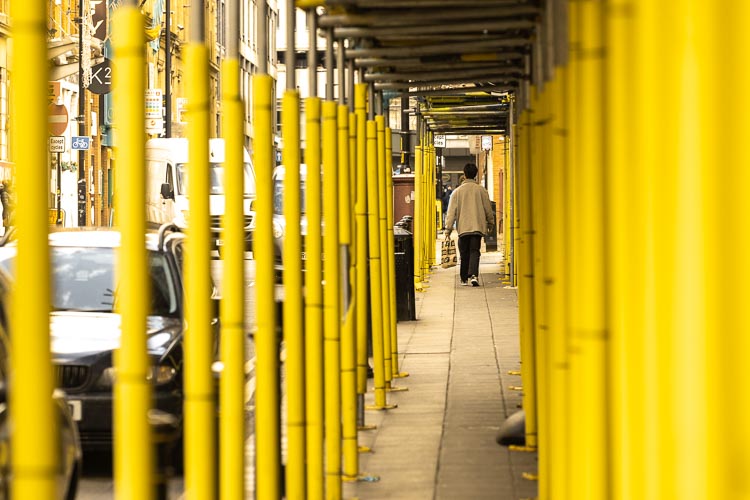
- City Shooting: For city shooting, a versatile lens like a 24-70mm or 18-135mm lens is recommended. This type of lens allows you to capture a wide range of focal lengths, from wide-angle to zoom, making it easier to adapt to various shooting situations. Advantages include versatility and the ability to capture a range of focal lengths. The disadvantage is that the image quality may not be as sharp as a prime lens – especially the longer zooms. A 24-70 is usually great, but if you get an 18-300, it’s bound to be soft at some zooms.

- Event Photography: For event photography, a 24-70mm lens is recommended as it offers a versatile focal length range – and a 70-200 helps you get in close to people without getting in anyone’s way. However, a prime lens with a wider aperture, such as a 50 or 85mm f/1.8, can also be a great choice – especially if the client doesn’t want the flash going off. Advantages of the zoom include versatility and the ability to capture a range of focal lengths. The disadvantage is that the image quality may not be as sharp as a prime lens and you are more likely going to need high ISO or flash. If you do go the prime route, it’s worth having 2 camera bodies around your neck so you don’t miss anything
- Sports Photography: For sports photography, a telephoto lens with a focal length of 300mm or greater is recommended. A 70-200mm or 100-400mm lens would be ideal. Advantages include the ability to capture distant subjects, and the ability to blur out the background, which can create a beautiful bokeh effect. The disadvantage is that telephoto lenses are typically expensive.
- Astronomical Photography: For astronomical photography, a wide-angle lens with a low aperture is recommended, such as a 14mm f/2.8 or a 24mm f/1.4 lens. Advantages include the ability to capture a large area of the night sky, and a low aperture that allows for more light to enter the camera, resulting in a brighter image. The disadvantage is that the cost of these lenses can be high – though there are some cheaper brands like Samyang available.
It’s not easy choosing, but it all comes down to budget and use!
Related Posts

Lightroom Tutorial – Landscape – Ribblehead Viaduct
Trust Your Photographer: Why Following Cues Leads to Better Headshots- McFade Edit of Dave Goodman’s “Chris” Shot

DON’T Piggyback Your Photography and Expect Great Results
Leading Lines: How to Use Lines and Paths for Powerful Composition- McFade Edit of Dave Goodman’s “Sam” shot
McFade Photography Wins Solopreneur Award at BiY Inspired Awards 2014 | Celebrating Yorkshire’s Best Small Businesses
5 Landscape Photography Locations in Yorkshire