
Construction case study photography is a planned set of images that tells the story of one construction project, from the starting point through the build to the finished result and the team who delivered it. A good set gives construction companies, architects and developers a case study that stands up on its own, plus images they can reuse in bids, on their website and on LinkedIn.
Quick answer: who should photograph a construction project for a case study?
- A construction photographer: a commercial photographer who works on live construction sites, not a general photographer who’d rather the site was empty.
- Book early if you can. The best case studies show the stages that disappear once the job is finished.
- Plan four kinds of image: the starting point, key build stages, the finished project, and the people behind it.
- Time the completion shoot for when the site is properly finished, cleared and in decent light.
- Agree up front where the images will be used, so the usage rights cover the case study, your bids and your website.
What makes a construction case study worth reading?
A case study is a story with a problem, a plan and a result. The words explain it, but the photographs prove it. A reader who sees the tight access, the complicated stage and the finished building believes the story far more than one who only reads about it.
That’s why a single set of hero shots at the end rarely does the job on its own. The finished building tells people what you built. The stages tell them how you built it, and that’s usually the part a client is weighing up when they’re deciding who to trust with their own project.
What photos does a construction case study need?
Most strong case studies draw on four kinds of image.
| Part of the story | What to photograph | Why it matters |
|---|---|---|
| The starting point | The site before or at the start of works, access, existing structures, early groundworks | Shows the challenge, so the result means something |
| Key build stages | Structure going up, services before they’re covered, plant and lifts, any tricky or unusual work | Proves how the job was done, which is what clients and bid assessors look for |
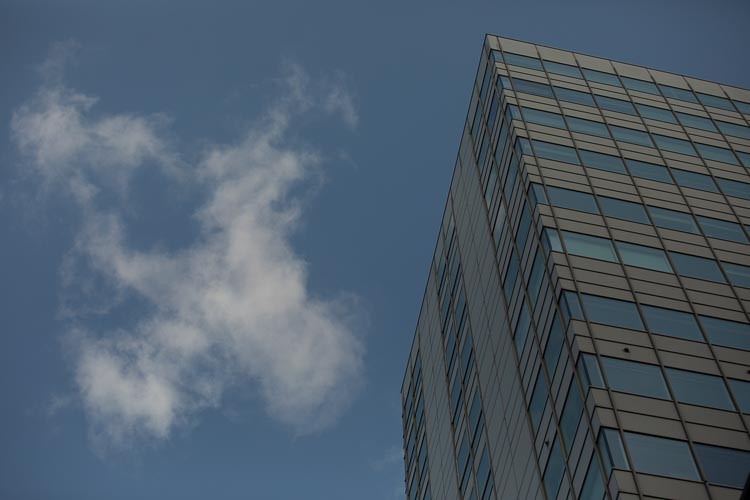
| The finished project | Exteriors, key interior spaces, details and finishes, how the building sits in its setting | The result people will remember and the image that leads the case study |
| The people | The site team at work, the project manager on site, the client at handover if they’re happy to be included | Makes it your project rather than any contractor’s |
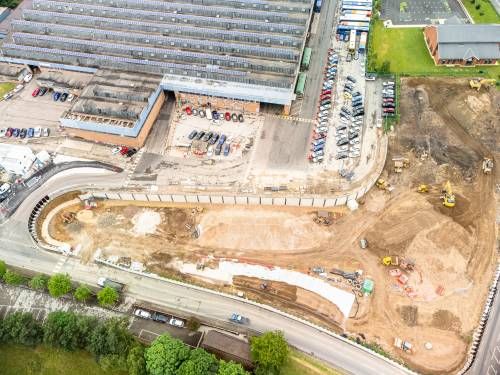
Aerial photography helps when the scale, the setting or the layout of the site is part of the story. It isn’t needed for every case study. The post on drone photography for construction sites explains where it earns its place.
When should you book the photographer?
At the start of the project, ideally. Some of the most useful images, such as the steel frame, the services before they’re boarded over or the foundations, only exist for a few weeks. Once they’re gone, they’re gone.
A sensible pattern is a small number of planned visits at key stages, then a completion shoot. If the project is already finished, don’t write it off. A well-timed completion shoot with the team on site still makes a good case study, it just leans more on the result than the journey.
[ADE: one or two sentences about a real project you photographed for a case study. What stage did you start at, and what did the client end up using the images for?]How is case study photography different from progress photography?
Progress photography is a record. It repeats the same viewpoints at regular intervals so anyone can see what changed and when. There’s more on that in the post on construction photo documentation.
Case study photography is selective. It picks the moments in the construction process that tell the story well and photographs them properly, with thought given to light, people and framing. The finished building is closer to architectural photography. The two can be planned together, and often are, but they’re doing different jobs.
When is the right time for the completion shoot?
Later than most people think. A building photographed with snagging still going on, skips on the drive and barriers across the entrance won’t lead a case study. A few things are worth checking before you book the date:
- The site is clear. Plant, waste and temporary fencing are gone from the main views.
- Landscaping and signage are in. They make a big difference to how finished a building looks.
- The light suits the building. Flat, grey light makes a new building look tired. The date can move if the weather won’t play ball.
- The people are available. If the site team or the client are going to feature, check they’ll actually be there on the day.
How do you get the site team into the photos without stopping the job?
By working around the day rather than the other way round. I photograph people doing their real work, in their real PPE, and fit in with access limits, lifts and machinery timing instead of expecting the site to stop for the camera.
Most people aren’t keen on having their picture taken. Calm direction and a quick pace usually sort that out. The aim is a team that looks like it knows what it’s doing, because it does.
How many images do you need, and where else can they be used?
The case study itself might use six to ten images. The rest is where the value is. As a rough guide, a full day produces around 100 or more usable images, depending on the site and the brief, which gives you plenty to reuse.
- Bids and tenders. Project images and people at work are exactly what a quality submission needs. The post on photography for construction bids covers what to include.
- Your website. Project pages, the about page and sector pages.
- LinkedIn and PR. Milestones, completions and team news.
- Awards entries. Many ask for project images, and a planned set saves a scramble later.
You get broad business usage rights covering website, social media, PR, editorial, tender and internal use. Copyright stays with McFade Photography unless we agree otherwise.
What does a finished case study look like?
A good example is the CQR Cables factory photoshoot, which shows how a single set of images can carry the story of a business and its site. Construction case studies work the same way, with the build stages added.
[ADE: optional. Is there a construction case study on a client’s own website using your images that you’re happy to mention or link to?]Where do you photograph construction case studies?
I’m based in Leeds and cover Yorkshire and the North of England as standard, with suitable construction, industrial and manufacturing jobs elsewhere in the UK, particularly full-day work where the travel makes sense. The construction photography page shows the kind of sites I work on. Every job is quoted on its own scope, so tell me about the project and what the case study is for, and I’ll come back with an honest view of what’s worth photographing and when.
FAQ
Who should I use to photograph a construction project for a case study?
A commercial photographer who works on live construction sites and understands how case studies, bids and websites use images. Look for someone who can cover the build stages, the finished project and the people involved, and who works around site rules and the programme.
When should I book photography for a construction case study?
Ideally at the start of the project, so key stages can be photographed before they’re covered up. If the job is already finished, a well-timed completion shoot can still give you a strong case study, but the before and during part of the story will be thinner.
What photos does a construction case study need?
Usually four kinds: the starting point or early works, key stages during the build, the finished project inside and out, and the people who delivered it. Aerial views help where the scale or setting of the site is part of the story.
How many images does a case study need?
The case study itself might only use six to ten images, but it pays to have a broader library to choose from and reuse. As a rough guide, a full day of photography produces around 100 or more usable images, depending on the site and the brief.
Can we use the case study photos in bids and on our website?
Yes. You get broad business usage rights covering website, social media, PR, editorial, tender and internal use. Copyright stays with McFade Photography unless agreed otherwise.
What does construction case study photography cost?
It depends on how many visits are needed, the size of the site and what the images are for, so every job is quoted on its own scope. Get in touch with the project details for a quote.
Cheers, Ade