
We Use Software You’ve Never Heard Of
Clients don’t pay for software.

They pay for results, delivered on time, without fuss.
The reason those results look the way they do is because modern photography quietly relies on a stack of tools most people will never see or think about.
Software isn’t a product — it’s a capability
Photoshop is the name everyone knows. It’s also only a small part of the picture.

Behind the scenes there are specialist tools that do very specific jobs:
-
RAW editors that handle colour and dynamic range properly
-
noise-reduction tools for dark, difficult environments
-
retouching systems that work across hundreds of images consistently
-
file-management tools that keep everything organised and traceable
None of this is exciting to talk about. But it’s what makes professional work reliable.
RAW files are the foundation
Professional photography is shot in RAW because it keeps everything.
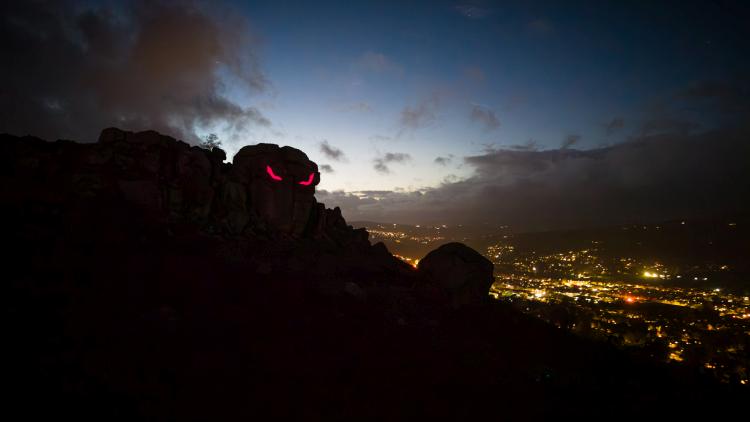
More colour data. More shadow detail. More highlight recovery. More room to manoeuvre when lighting isn’t perfect.
That gives far more flexibility in post-production — especially on events, workplaces, or industrial sites where you don’t control the light.
JPEG throws most of that away before you even start editing.
Speed matters just as much as quality
One of the biggest changes in recent years is how quickly high-quality work can be delivered.

Used properly, modern tools — including AI-assisted ones — allow repetitive, technical tasks to be handled consistently and efficiently.
That doesn’t mean “one-click fixes”. It means:
-
retouching that’s applied evenly across a set
-
corrections that don’t drift from image to image
-
more finished photographs without cutting corners
The skill is knowing when to use these tools, and when not to.
This is how you get more usable images
Ten years ago, time constraints often meant delivering a small number of heavily worked images.

Now, better tools mean:
-
more final images
-
more consistency across the set
-
less waiting around
You’re not paying for software. You’re benefiting from what it allows a photographer to do.
Creative tools are part of the same ecosystem
Alongside technical tools, there are creative ones.

Film-grade colour systems. Subtle black-and-white conversions. Tools developed for cinema and TV that translate beautifully into still photography when used with restraint.
These don’t get bolted on as extras. Once they’re understood, they just become part of the way work is done.
Why this makes photographers odd
Most professions don’t quietly rebuild their toolbox every few years.

Photography does.
New tools appear. Old ones get replaced. Workflows evolve. And clients see the benefit without ever needing to know the details.
That’s why photographers are odd.
And why the value you get today is very different to what you’d have received ten years ago.
Related Posts

5 tips for better portraits- Gauntlet Challenge…. Make Runcorn Look Great!!!!

Why Construction Projects Need Photography
5 Tips to Capture Beautiful Candid Wedding Photos
Trinity Leeds – The New Shopping Centre Goes LIVE!
How to fake an ND Grad filter with LIGHTROOM
Winter Photography Ideas To Inspire Enthusiasts into Action!
Goodnight Kris