We Buy Gear You Never Asked For
Most clients never ask what gear I’m using.
And that’s exactly how it should be.
But what’s less obvious is how much kit photographers buy that no client has ever requested, suggested, or even knows exists.
Gear purchases aren’t driven by jobs
They’re driven by curiosity.
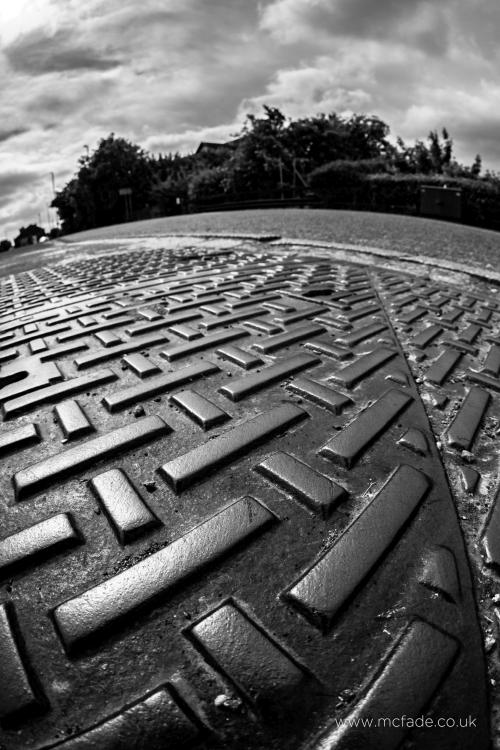
When I buy a new lens or bit of kit, it’s rarely because a client has said, “Can you do X?” It’s because I’ve thought, “I wonder what that would let me do.”
That’s a very different mindset to buying something to tick a box.
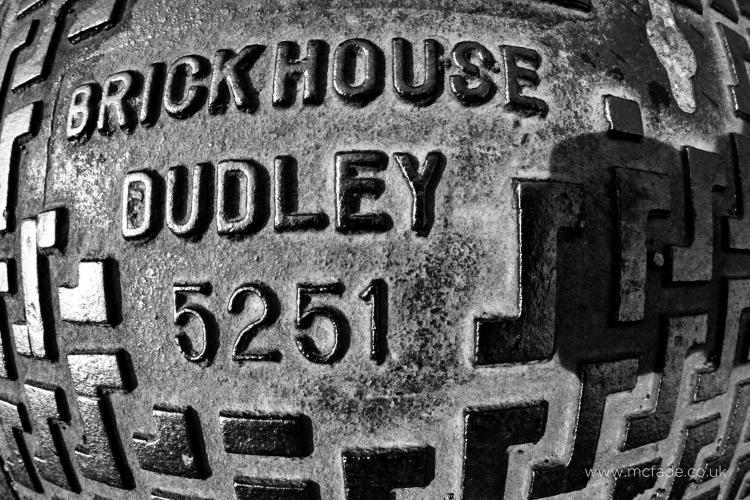
A fisheye lens.
A tiny pancake lens.
An anamorphic lens.
None of those came from a brief. They came from wanting to explore a different way of seeing.
New gear doesn’t go straight into client work
Buying something is the easy bit.

The real investment is the time spent learning:
-
when it works
-
when it absolutely doesn’t
-
what it’s actually good for (often not what it’s marketed for)
Most new kit goes out with me on personal shoots long before it ever sees a paid job. It gets tested, pushed, and occasionally written off as interesting but not useful.
Clients never see that phase. They only see the polished end result.
Gear expands options, not invoices
This is the bit people often misunderstand.
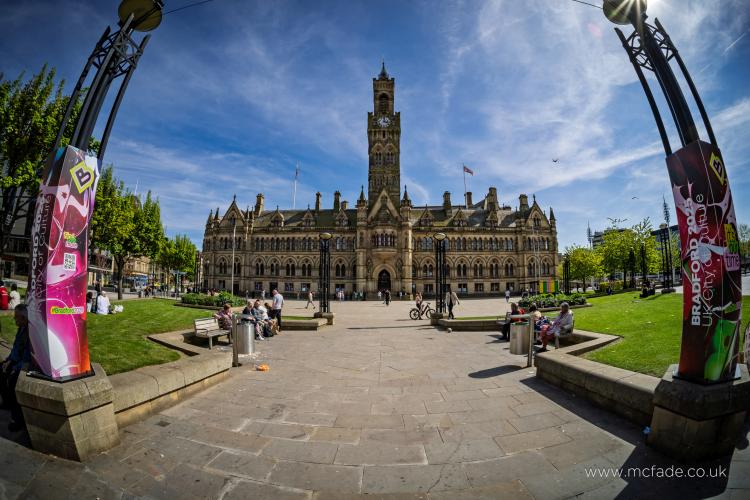
Buying more kit isn’t about upselling clients or inventing reasons to charge extra. It’s about having more options in the bag when a situation calls for it.
A tight space.
An awkward angle.
A building that needs perspective control.
A creative shot that would normally be impossible.
If I already own the tool and know how to use it, it becomes part of the job by default.
No conversation. No add-on. No fuss.
Most of it never earns its keep directly
If you tried to justify some gear purchases on a spreadsheet, they’d look ridiculous.
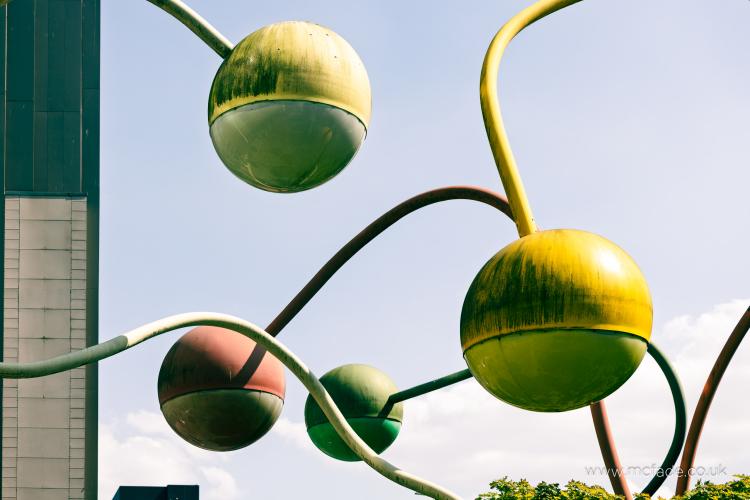
They only make sense if you accept that photography is part profession, part obsession.
Some tools get used all the time.
Some get used once in a blue moon.
Some exist purely because they taught me something.
But even the rarely-used ones change how you think. And that changes how you shoot everything else.
Why this is good for clients
When a photographer turns up with confidence and flexibility, it shows.
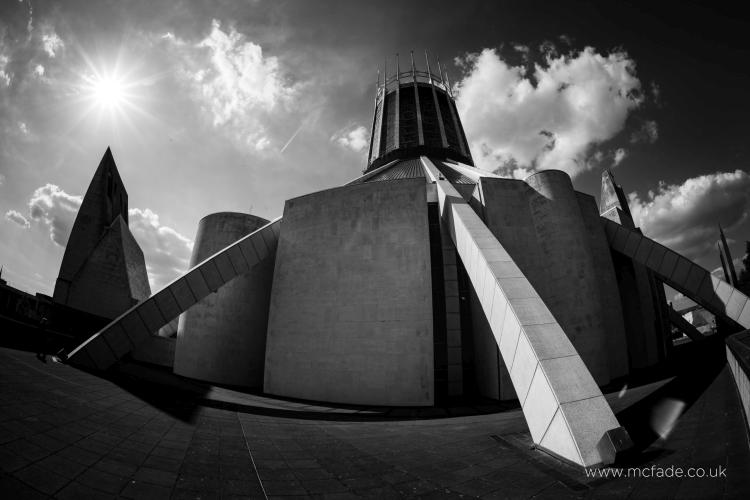
They’re not limited to one way of working. They’re not stuck because the space isn’t “ideal”. They’re not saying no because they lack the right tool or experience.
That freedom comes from years of buying things you never asked for, and learning how to use them when it didn’t matter.
That’s why photographers are odd.
And why the kit you never requested often makes the biggest difference.
Related Posts

3 of The Wonderful Wensleydale Waterfalls- McFade Edit of Dave Goodman’s “Sam” shot
Mastering the Rule of Thirds: A Guide to Balanced Composition
Austria Workshop 2012 – Bavarian Town
The Clash of Photography and Social Outings: What You Need to Know
Why constant-aperture ZOOM Lenses are the best
10 Photos of Dubai Marina
Should You Buy a Waterproof Camera?