
Personal Projects Are Professional R&D
Most industries have a thing called research and development.

It’s budgeted for. It’s planned. It’s justified in meetings.
Photography has it too — it’s just unpaid, informal, and usually done on a Sunday morning with a camera and a flask.
Personal projects aren’t a break from work
They are the work. Just without the pressure.
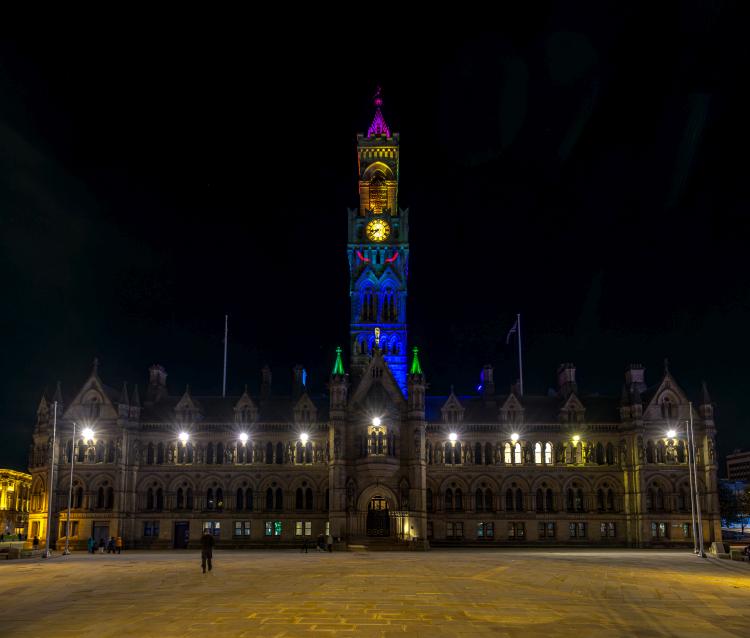
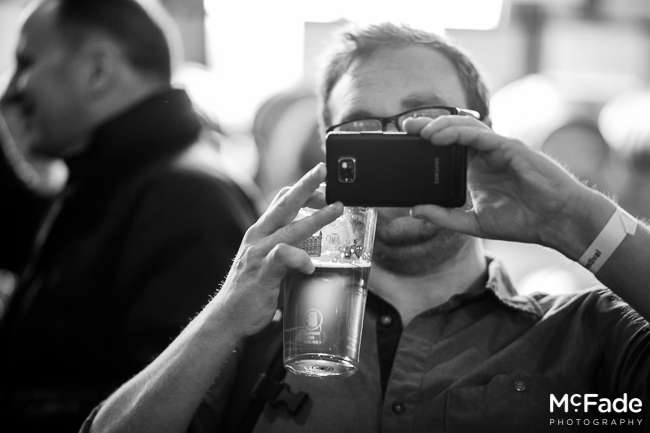
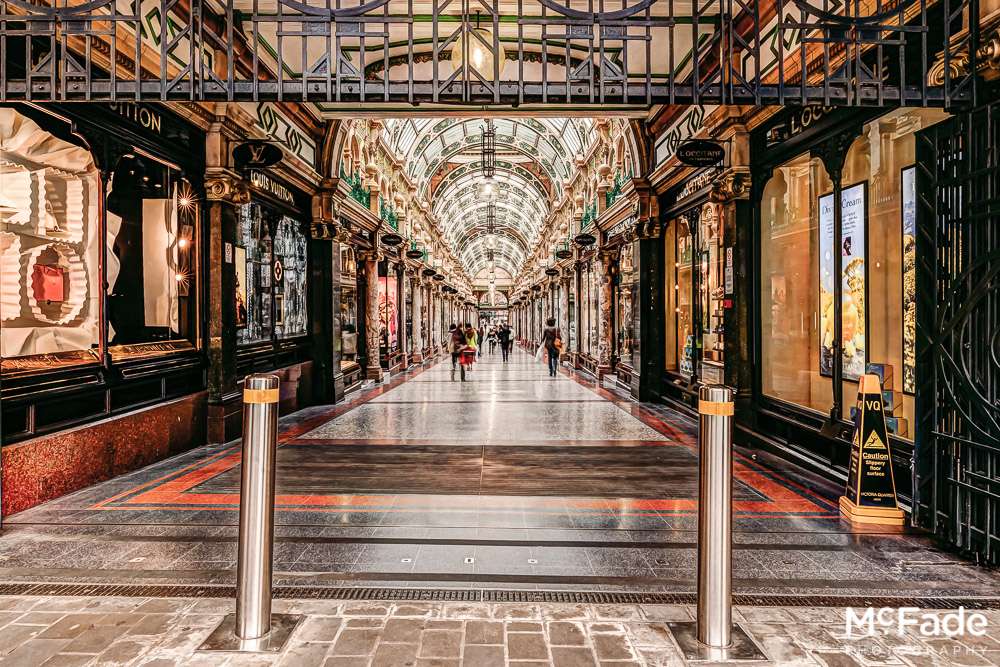
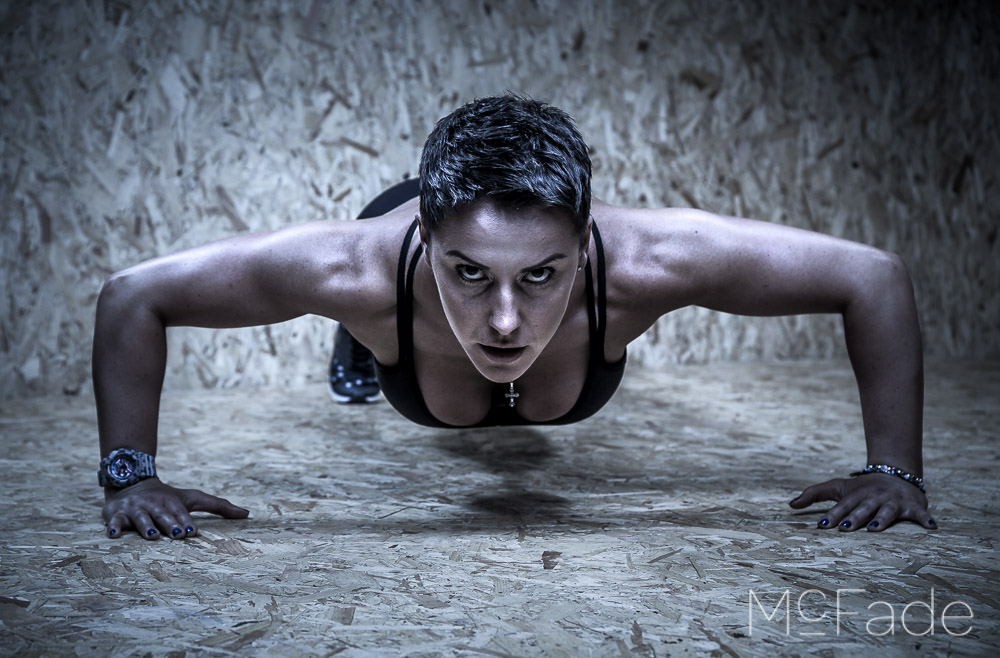
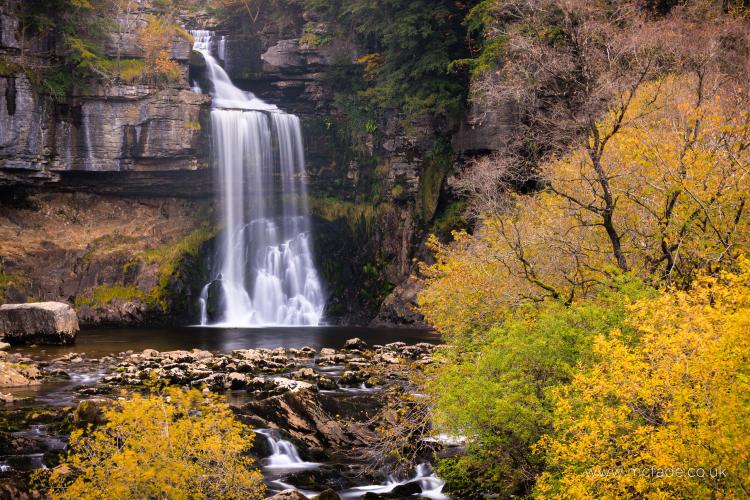
When I’m out shooting street photography in Leeds, or landscapes in the Dales, or portraits of friends who are happy to experiment, I’m not “switching off”. I’m testing ideas.
- Light.
- Composition.
- Timing.
- Angles that work.
- Angles that don’t.
- How people react when you point a camera at them.
- How buildings behave when you move three feet left instead of right.
None of that comes from a brief. It comes from curiosity.
This is where mistakes are allowed
On a client job, you don’t want to be discovering things for the first time. You want the answers already baked in.

Personal projects are where you:
-
try odd viewpoints
-
push exposure too far
-
shoot into terrible light just to see what happens
-
experiment with framing that might fail
Most of it never gets shown to anyone. That’s fine. The value isn’t the finished photo — it’s what sticks in your head afterwards.
Skills don’t stay in neat little boxes
People often assume that street photography stays in the street, landscape stays in the countryside, and architecture stays on buildings.

It doesn’t.
Street photography sharpens timing and awareness.
Landscape teaches patience and light.
Architectural work teaches structure, balance, and discipline.
Those skills leak into everything else.
That’s how you end up using architectural techniques on railway engineering projects, or compositional ideas from street photography when shooting people at work.
None of that crossover happens if you only ever shoot what you’re paid to shoot.
Clients benefit without realising it
When a job runs smoothly, it doesn’t feel impressive. It just feels easy.
That ease comes from having already solved the problems elsewhere, in your own time, when no one was watching and nothing was on the line.
Clients aren’t paying for a photographer to “figure it out”. They’re paying for someone who already has.
Personal projects are how that happens.
This is why photographers don’t really clock off
If photography were just a job, personal projects would feel like extra effort.
They don’t. They feel like the point.
The strange bit is that what starts as enjoyment quietly becomes the most valuable part of the professional toolkit.
That’s why photographers are odd.
And that’s why personal projects aren’t indulgent — they’re essential.
Related Posts

Ultimate Guide to the Best Lens for Stunning Landscape Photography in 2024
Maximizing Online Potential with SEO Utilities
Photography appeals to EVERYONE!
LIGHTROOM TIPS: Making subjects jump off the screen!
Leeds Shopping – 9 Photos from Briggate and Beyond- Getting Floral….
Why Chefs are on TV and Photographers Aren’t
Sopot, Poland